
LogoCustom Robot Servo
Start inquiry
LogoCustom Robot Servo
WhatsApp
LogoCustom Robot Servo

China-based custom robot servo OEM supplier for motors, drives, smart servos, actuators, and global delivery.

Inquiry Email

[email protected]

Email app

Include drawings, torque/speed, protocol, and prototype quantity.

Instant Chat

+8618857971991

Chat on WhatsApp

Direct response from our engineering team.

Products
  • Custom Robot Servo
  • Custom Servo Motors
  • Harsh Environment Servo Motors
  • Custom Servo Drives
  • Integrated Robot Servos
  • Robotic Joint Servo Actuators
  • Linear Joint Servo Actuators
  • Smart Servo OEM
Solutions
  • Humanoid Servo Systems
  • Gripper Servo Integration
  • Mobile Robot Servo Platforms
  • Medical Robot Servo Modules
OEM Capabilities
  • 12-Gate Execution Model
  • Drawing to Production
  • Motor Drive Matching
  • Servo PCBA and SMT
  • Assembly and Test
  • RFQ Review
Resources
  • Blog
  • Engineering Hub
  • Engineering Lab
  • About
  • Contact / RFQ
  • Privacy Policy
  • Cookie Policy
  • Terms of Service
© 2026 Custom Robot Servo. All Rights Reserved.|Custom Robot Servo is operated by Linkup Ai Co., Ltd.|Manufacturing coordination through the Linkup Precision advanced manufacturing network.
  1. Home
  2. Products
  3. Harsh Environment Servo Motors

Harsh Environment Servo Motors

Custom sealed, corrosion-aware, high-temperature, and field-duty servo motor programs for robots that operate outside clean indoor factory assumptions.

Target Buyer:For robotics OEM teams whose servo motor fails because the real environment includes moisture, dust, heat, chemicals, vibration, cable strain, or sealed-joint thermal limits.
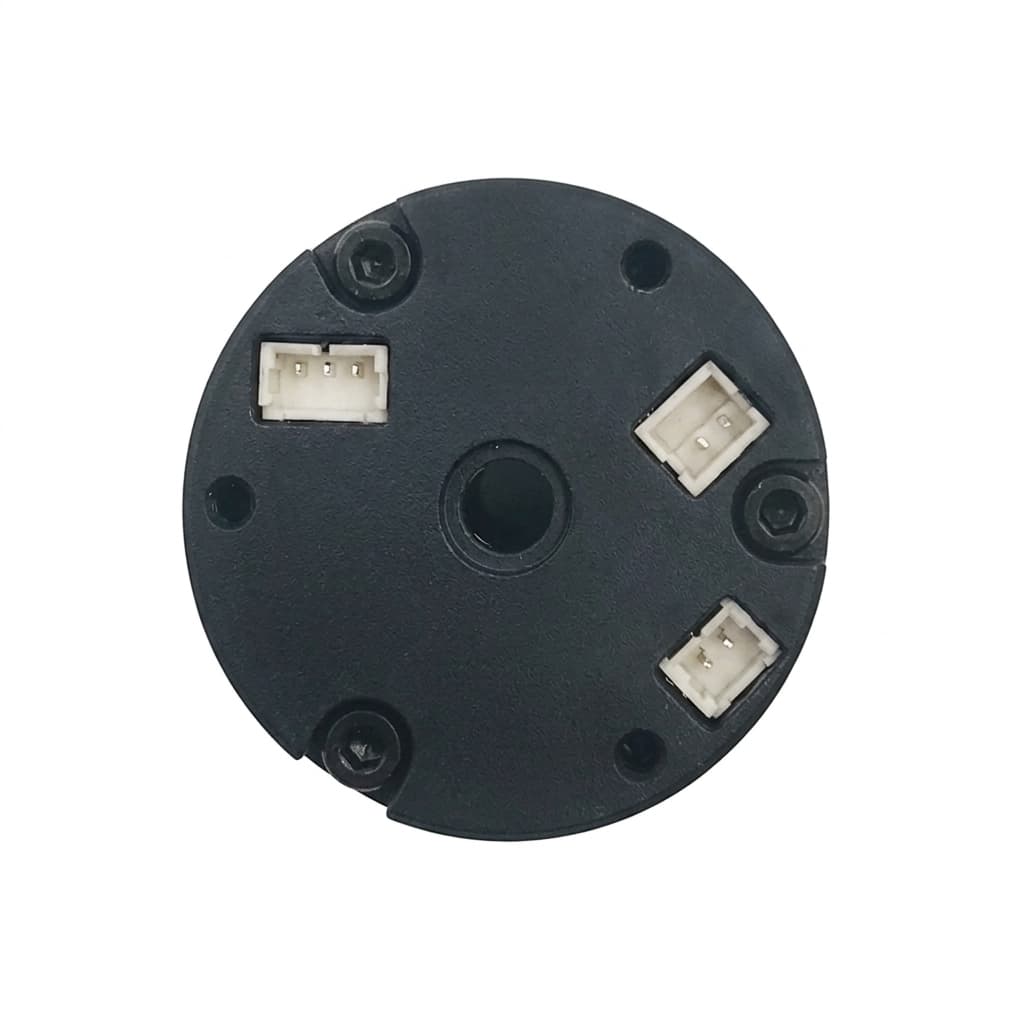
Sealed hollow shaft servo motor concept for harsh robot environments

Capability Highlights

  • Project-specific review for sealing targets, potting, coating, cable glands, connectors, and corrosion exposure
  • Thermal margin planning with magnet grade, insulation system, winding sensor, and housing heat path considered together
  • Design review for outdoor robots, wash-down adjacent equipment, ROV manipulators, inspection systems, and hot-machine axes

Typical Applications

  • Outdoor inspection robots and field service mechanisms
  • ROV manipulators, subsea-adjacent tooling, and wet-environment test rigs
  • Wash-down adjacent AMR, AGV, and logistics equipment axes
  • High-temperature industrial machinery adjustment and inspection axes
  • Dust, coolant mist, vibration, or sealed-enclosure robotic modules

Engineering Focus

  • Define IP target, ingress direction, pressure exposure, cable exit, connector retention, and serviceability before mechanical release
  • Match copper fill, winding, SH/UH/EH magnet options, insulation class, PT1000/NTC sensing, and potting or varnish to the duty cycle
  • Separate corrosion prevention, coating, stainless or anodized interfaces, bearing protection, and lubricant compatibility from cosmetic finish choices
  • Validate with temperature rise, insulation resistance, leak-risk review, vibration notes, connector pull, and post-cycle inspection evidence

Key Evaluation Matrix

MetricTypical RangeWhy It Matters
Environmental boundaryIndoor protected, outdoor, wash-down adjacent, wet, dusty, hot, corrosive, sealed jointA motor that passes on a bench can fail quickly when water path, dust path, cable strain, or trapped heat is ignored.
Thermal systemWinding sensor, housing sensor, conduction path, potting, sealed enclosure, ambient limitSealing and potting can protect electronics but also change heat flow, so continuous torque must be proven under the final boundary.
Material and interface protectionAnodizing, stainless interfaces, coating, seal groove, cable gland, connector retention, bearing protectionEnvironmental reliability often depends on small interface decisions rather than the electromagnetic design alone.

Selection Logic

SituationRecommended PathEvidence to Confirm
The motor must operate in wet, dusty, hot, or outdoor dutyDefine the environmental boundary first, then select sealing, cable exit, connector, coating, bearing protection, and thermal path togetherIP target, ingress direction, ambient range, housing orientation, cable route, connector type, duty cycle, and post-test inspection method
A sealed motor overheats during continuous dutyRework the thermal system instead of only increasing motor size: winding sensor, magnet grade, potting, housing conduction, and current limitCurrent log, winding temperature, housing temperature, ambient, sealed-joint boundary, potting plan, and derating curve
Corrosion, coolant mist, or chemical exposure is expectedTreat materials and interfaces as reliability-critical items, including coating, fasteners, bearings, cable glands, and connector matingExposure description, material requirement, finish callouts, fastener spec, bearing protection, connector datasheet, and service interval

RFQ Checklist

  1. State operating environment: indoor, outdoor, wash-down adjacent, wet, dusty, hot, corrosive, or sealed enclosure
  2. Provide IP target, ambient range, housing heat path, allowable surface temperature, and duty cycle
  3. Share motor envelope, shaft or bore, flange, cable exit, connector type, and installation orientation
  4. List magnet/insulation preference, temperature sensor need, coating/potting expectation, and bearing protection requirement
  5. Define validation evidence: thermal curve, insulation check, ingress-risk review, vibration, connector retention, and sample inspection records
Risk Controls

  • IP rating is requested without an installation boundary: Review cable exit, shaft orientation, pressure exposure, service access, connector mating, and housing split line before accepting the target.
  • Potting or sealing improves ingress protection but worsens heat rise: Run thermal derating with the real housing, ambient, current limit, duty cycle, and temperature sensor placement before pilot release.
  • Corrosion and bearing protection are treated as afterthoughts: Freeze material, coating, fastener, seal, lubricant, and bearing-protection assumptions during RFQ rather than after sample build.

Quote Basis and Commercial Availability

Price Basis

Quoted after drawings, torque-speed targets, electronics scope, validation requirements, and annual volume assumptions are reviewed.

Validity Window

Quote validity, lead time, and sample schedule are confirmed on each proposal after material availability and capacity checks.

Purchasing Route

Start with an RFQ package; commercial terms follow engineering review, prototype scope, pilot-lot gates, and production readiness evidence.

Validation and QC Flow

CheckpointMethodPass Evidence
Environmental boundary reviewConfirm IP target, ingress path, cable exit, connector retention, shaft orientation, coating, bearing protection, and service accessReleased environment checklist with installation assumptions, interface drawings, and open compliance items
Sealed thermal duty checkRun the intended load cycle with current, winding sensor, housing temperature, ambient, and cooling boundary recordedThermal derating curve tied to magnet grade, insulation class, sealing or potting choice, and current limit
Post-exposure inspectionInspect connector mating, cable gland, shaft seal, fasteners, coating, bearing noise, insulation resistance, and corrosion-prone interfacesSample inspection report with photos or notes, measured insulation condition, and corrective-action items before pilot

Supplier Evidence

Engineering Evidence Pack for Harsh Environment Servo Motors

For product selection pages, the first engineering review should turn the RFQ into testable assumptions, not just a price request.

Scope baseline

Motor, drive, actuator, firmware, harness, fixture, and test responsibility are separated before quotation.

Missing-input list

Open items such as torque-speed data, duty cycle, envelope, protocol, encoder, and target launch country are flagged early.

Sample validation plan

Prototype checks are tied to load profile, thermal rise, backlash, noise, current limit, and end-of-line pass criteria.

Quote assumptions

Tooling, fixture, pilot lot, annual forecast, packaging, documentation, and delivery assumptions are made explicit.

Evidence GroupWhat to AttachBuyer Value
Motion and thermalTorque-speed target, current limit, duty cycle, temperature path, and derating assumption.Separates continuous-duty capability from peak torque claims before sample approval.
Interface controlSTEP or drawing revision, flange, bore, cable exit, connector, encoder, and protocol map.Keeps motor, drive, harness, and firmware assumptions aligned before tooling.
Validation recordEVT, DVT, PVT gate criteria, EOL checklist, burn-in profile, and serial or lot traceability.Gives engineering and procurement a common pass/fail basis for pilot lots.
Commercial pathPrototype quantity, pilot build target, annual forecast, delivery country, and packing notes.Improves quote precision and avoids late shipping or documentation surprises.

Download RFQ and Validation Templates

Use these templates before sending a Harsh Environment Servo Motors inquiry so torque-speed data, drawings, thermal assumptions, and sample acceptance evidence arrive in one package.

CSV

Servo RFQ Baseline Checklist

A field-by-field checklist for torque-speed-duty targets, drawings, protocol, sample quantity, acceptance tests, and open decisions.

Use before the first supplier email so engineering, sourcing, and procurement are aligned on required inputs.

CSV

CSV

Servo Validation Plan Template

A starting validation matrix for torque, current, heat rise, backlash, encoder zero, communication, burn-in, and outgoing inspection.

Use when samples are being scoped and the buyer needs pass/fail evidence before pilot approval.

CSV

CSV

Thermal Derating Worksheet

A compact worksheet for comparing ambient, housing, winding, duty cycle, current limit, and sealed-joint thermal margin.

Use when peak torque looks acceptable but continuous-duty heat rise is still the main project risk.

CSV

Product Gallery

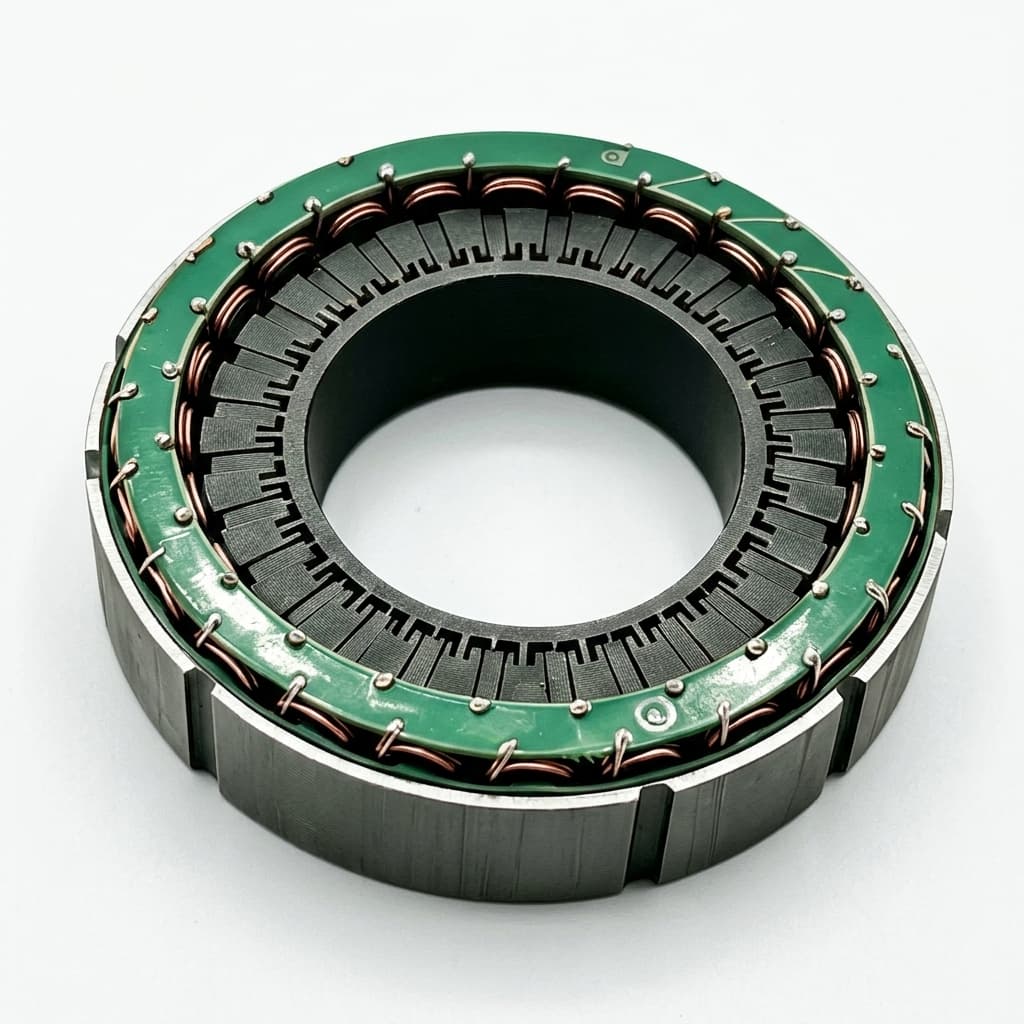
Custom servo motor housing and shaft interface for sealed axes
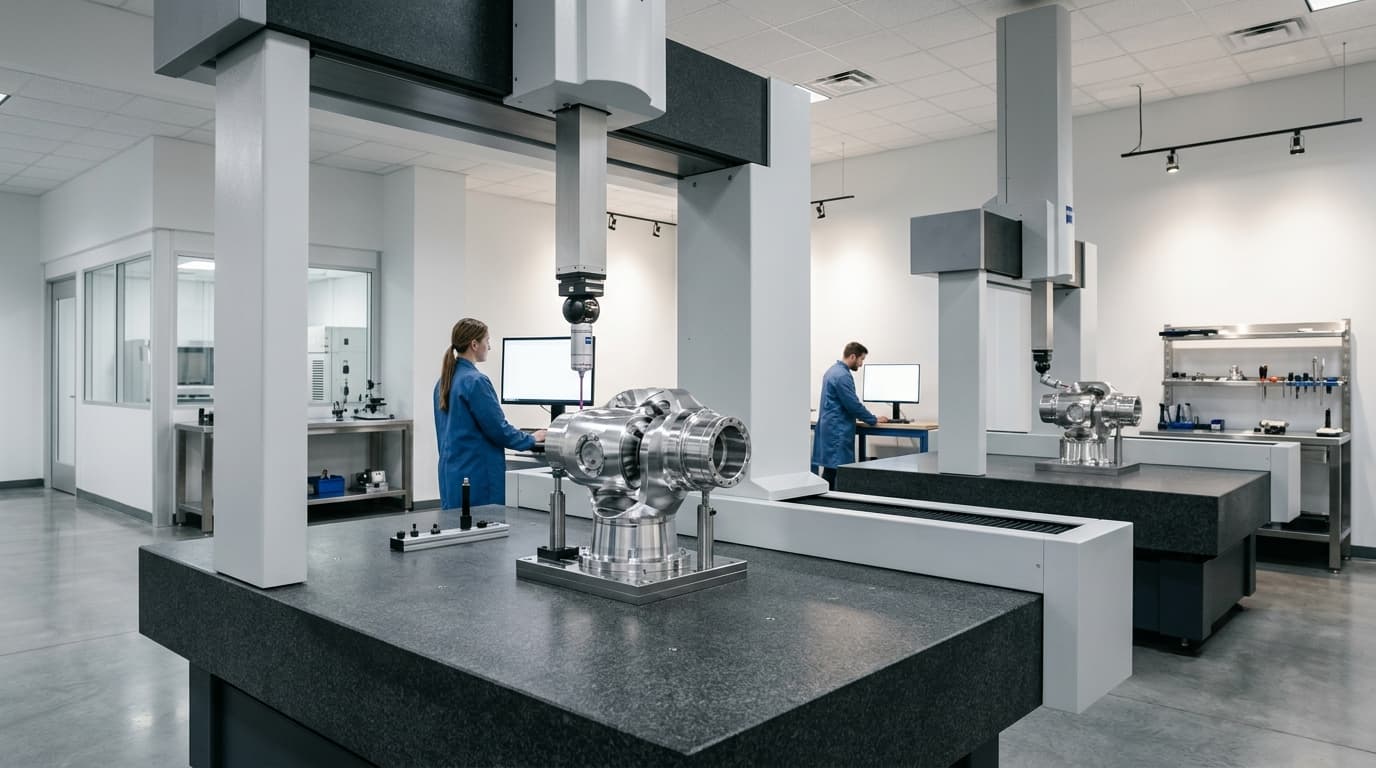
Servo motor inspection and validation lab for environmental duty review
Custom servo housing manufacturing for corrosion and sealing interfaces

Buyer FAQ

Can you quote an IP67 or sealed servo motor?

We can review IP67-oriented or sealed motor concepts when the installation boundary, shaft direction, connector choice, cable exit, pressure exposure, and validation method are defined.

Can harsh-environment motors include temperature sensing?

Yes. PT1000, NTC, or project-specific thermal sensing can be reviewed with winding layout, cable routing, drive input, and acceptance limits.

Do you support explosion-proof certification?

Explosion-proof or hazardous-area certification must be reviewed as a project-specific compliance scope. We do not treat it as a generic catalog claim.

Related Resources

  • Custom Servo Motors
  • Thermal Derating Physics
  • Mobile Robot Servo Platforms
  • Engineering Lab
  • Contact / RFQ

Inquiry Email

[email protected]

Email app

Include drawings, torque/speed, protocol, and prototype quantity.

Instant Chat

+8618857971991

Chat on WhatsApp

Direct response from our engineering team.