
RFQ Preparation Checklist
- Robot joint role and target motion profile
- Envelope, mass target, torque, speed, voltage, and protocol
- Preferred actuator architecture and components already selected
- Sample schedule and production forecast
Custom servo systems for humanoid robot joints, hands, necks, and torso modules where torque density, compact electronics, and thermal control define success.
| Evaluation Metric | Typical Range | Buyer Relevance |
|---|---|---|
| Joint torque class | Finger, wrist, elbow, knee, ankle, hip, shoulder | Each joint has a different torque, size, and thermal tradeoff. |
| Thermal boundary | Housing conduction, airflow, heat sink, or sealed joint | Humanoid joints see repeated peak loads, so thermal evidence matters more than a single peak-torque number. |
| Synchronization network | EtherCAT, CAN FD, CANopen, RS485, or custom bus | Multi-axis gait and balance control depend on predictable timing, diagnostics, and firmware ownership. |
| Situation | Recommended Path | Evidence to Confirm |
|---|---|---|
| One actuator family is being considered for many body joints | Segment by joint role before locking shared interfaces: finger, wrist, elbow, shoulder, knee, ankle, hip, and neck | Joint-by-joint torque, speed, mass, duty cycle, thermal boundary, cable route, and shock load table |
| The control team needs synchronized multi-axis behavior | Define the bus, firmware ownership, diagnostics, update workflow, and timing assumptions before drive selection | EtherCAT/CAN FD/CANopen cycle target, node count, fault behavior, tuning method, and commissioning responsibility |
| Thermal risk appears after the robot motion profile changes | Run derating checks per axis instead of trusting a single peak-torque datasheet number | Duty cycle, current log, winding temperature, housing temperature, ambient, and sealed-joint heat path |
| Checkpoint | Method | Pass Evidence |
|---|---|---|
| Joint-family segmentation | Create a torque-speed-thermal table for each joint role before sharing housings or electronics | Joint matrix with torque class, voltage, protocol, mass, bore, cable route, and test priority |
| Multi-axis communication test | Validate bus timing, diagnostics, fault recovery, firmware update, and controller-side tuning workflow | Network test log with node count, cycle target, fault behavior, and firmware version |
| Thermal cycle validation | Run repeated humanoid motion duty cycles with current, winding temperature, housing temperature, and ambient logged | Per-axis derating curve and recommendation for pilot actuator family release |
Application Evidence
For application pages, the first engineering review connects robot duty, control stack, and validation risk before architecture lock.
Motor, drive, actuator, firmware, harness, fixture, and test responsibility are separated before quotation.
Open items such as torque-speed data, duty cycle, envelope, protocol, encoder, and target launch country are flagged early.
Prototype checks are tied to load profile, thermal rise, backlash, noise, current limit, and end-of-line pass criteria.
Tooling, fixture, pilot lot, annual forecast, packaging, documentation, and delivery assumptions are made explicit.
| Evidence Group | What to Attach | Buyer Value |
|---|---|---|
| Motion and thermal | Torque-speed target, current limit, duty cycle, temperature path, and derating assumption. | Separates continuous-duty capability from peak torque claims before sample approval. |
| Interface control | STEP or drawing revision, flange, bore, cable exit, connector, encoder, and protocol map. | Keeps motor, drive, harness, and firmware assumptions aligned before tooling. |
| Validation record | EVT, DVT, PVT gate criteria, EOL checklist, burn-in profile, and serial or lot traceability. | Gives engineering and procurement a common pass/fail basis for pilot lots. |
| Commercial path | Prototype quantity, pilot build target, annual forecast, delivery country, and packing notes. | Improves quote precision and avoids late shipping or documentation surprises. |
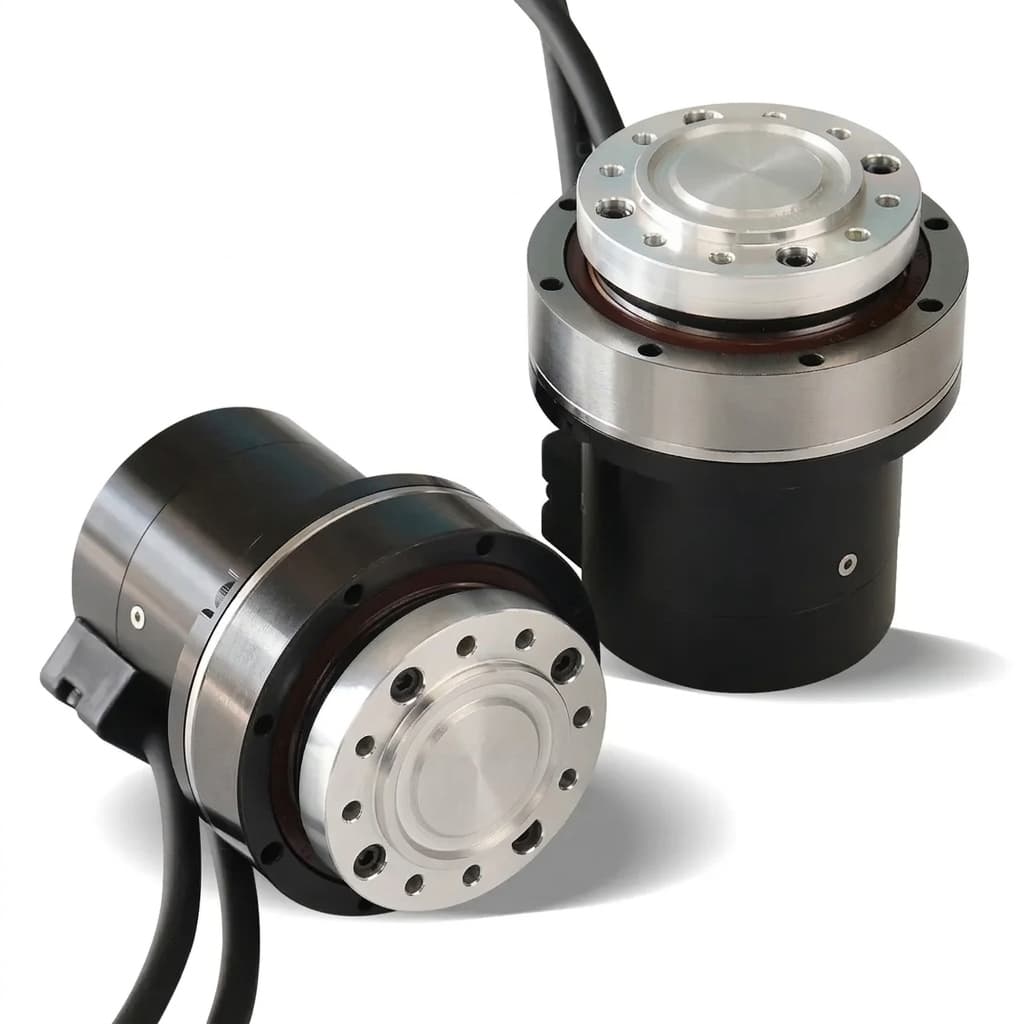
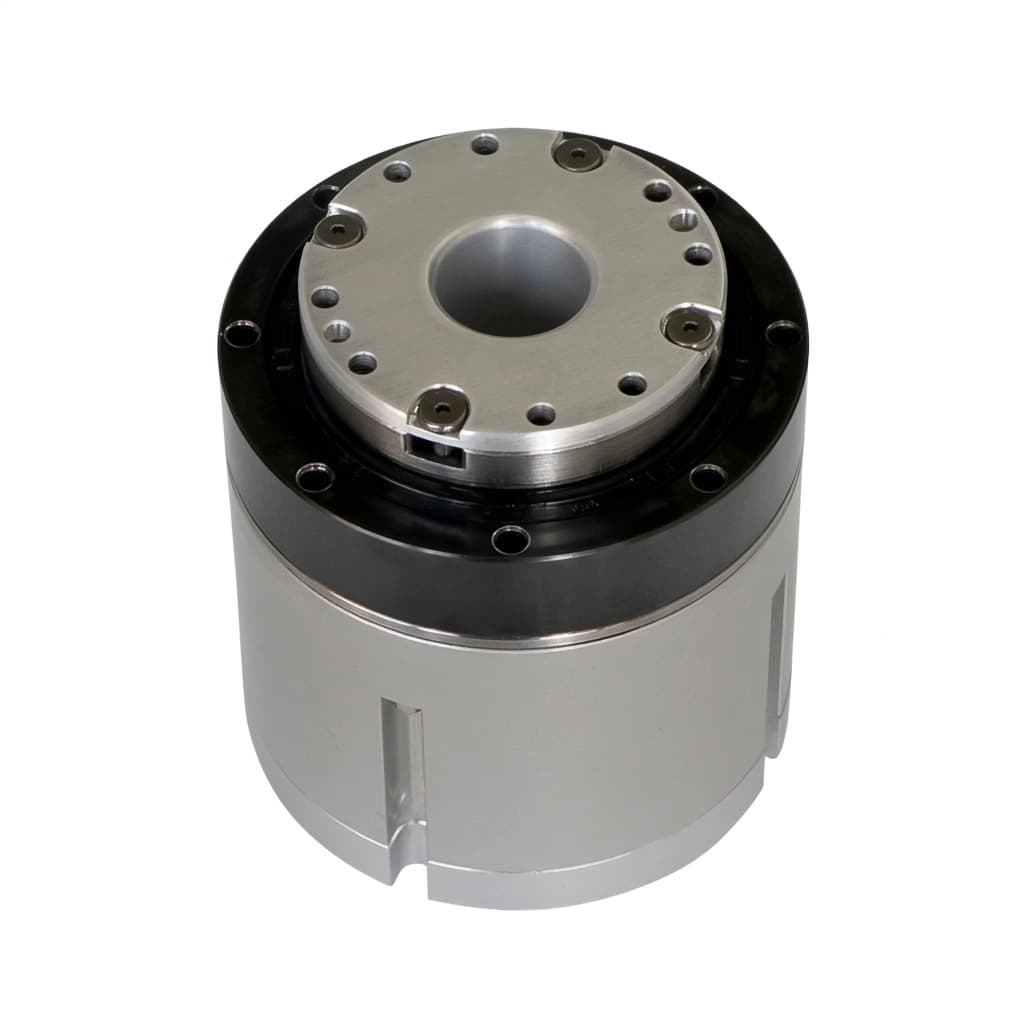
Yes. We can coordinate multiple torque classes and shared interfaces when the architecture is defined early.
We can review quasi-direct-drive, geared servo, hollow-shaft, frameless, brake-ready, dual-encoder, and compact integrated joint concepts.
Inquiry Email
Include drawings, torque/speed, protocol, and prototype quantity.