Product Capability Range
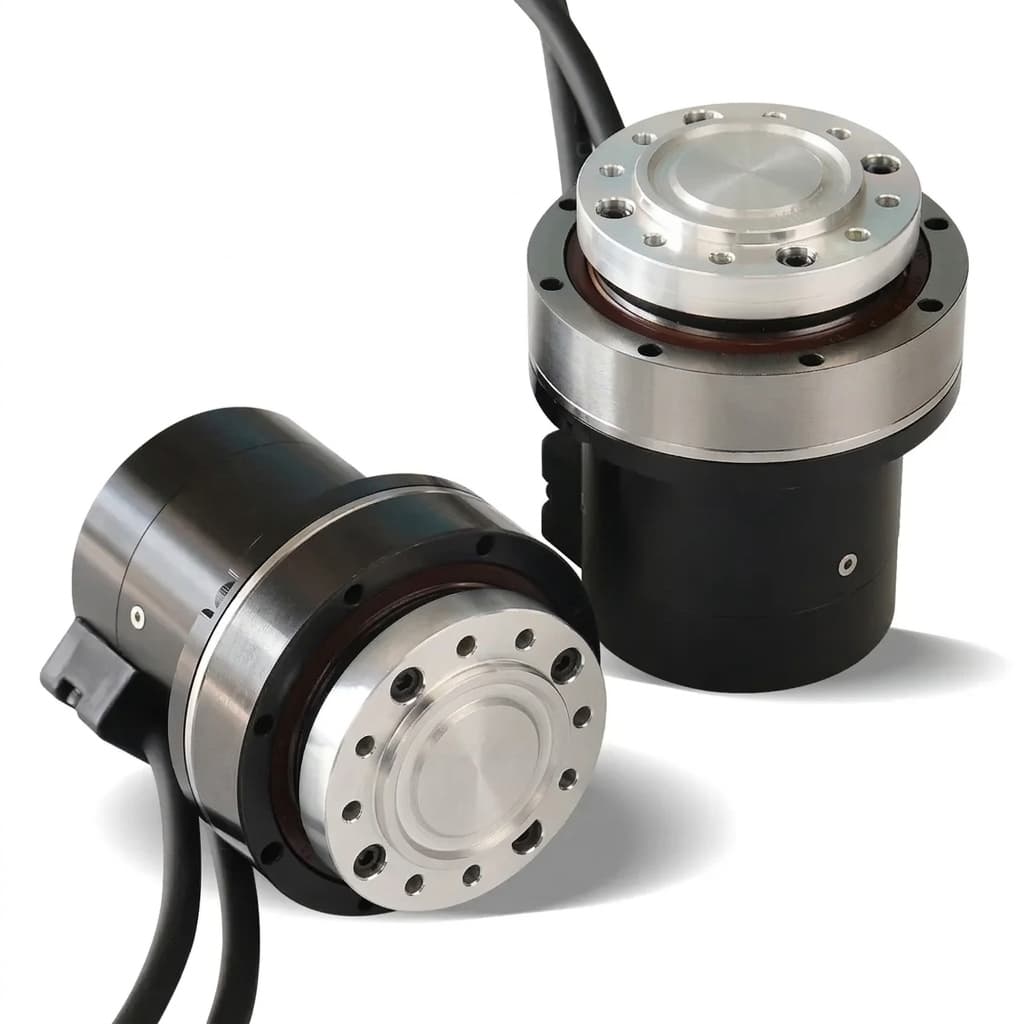
Frameless, hollow-shaft, pancake, and micro servo motors; low-voltage drive boards; smart servos; and integrated actuator assemblies.
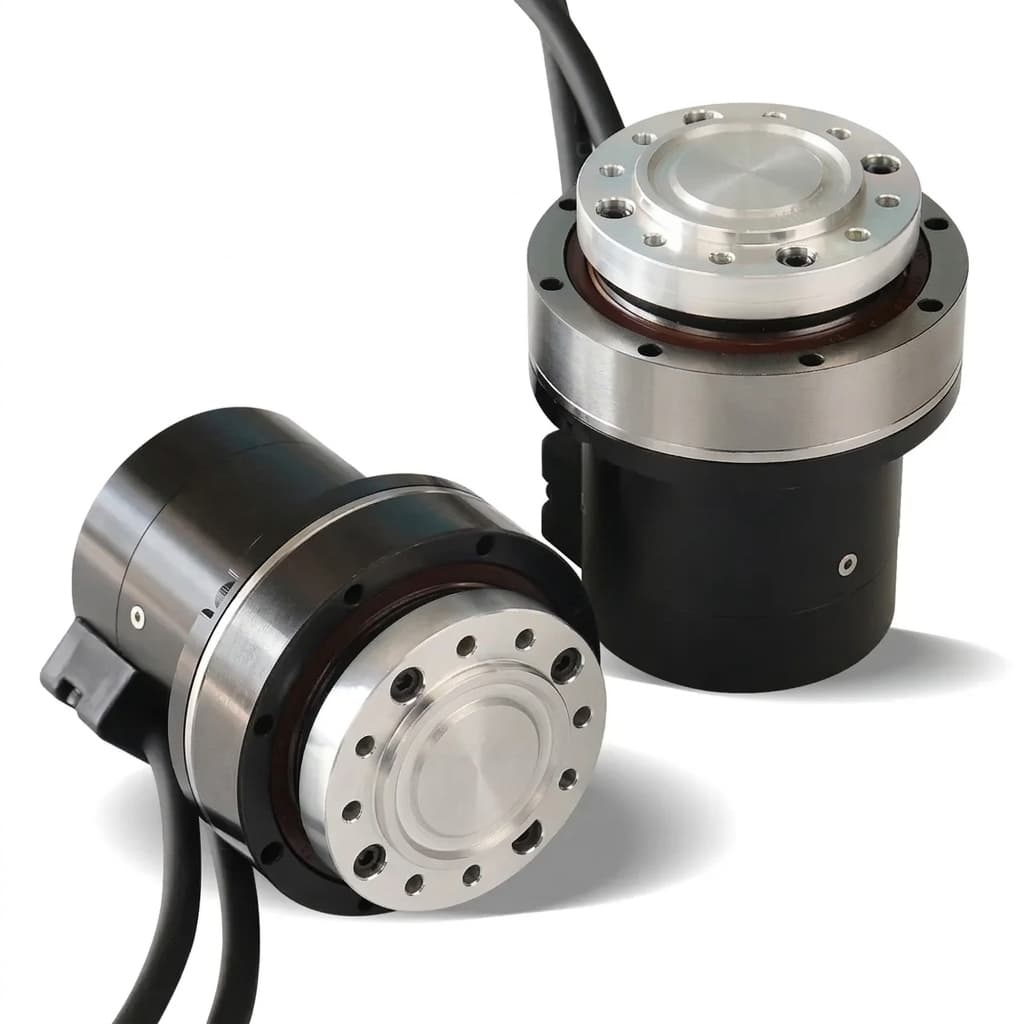
Motor + Drive + Actuator
One scope review
Quality Gate Plan
Torque, thermal, backlash
RFQ Input Checklist
Drawings, protocol, samples
Export Coordination
Prototype to batch delivery
A robot joint is constrained by heat, duty cycle, backlash, encoder alignment, and communication stability. Plan these checks before tooling, pilot lots, and production schedules are locked.
Peak torque is only useful when the motor, drive, housing, and duty cycle are reviewed together. For enclosed arms, grippers, and mobile platforms, the RFQ should define continuous torque, heat path, current limit, and housing temperature target.
| Buyer Concern | Risk If Left Open | Control to Request |
|---|---|---|
| Thermal rise and current limit | Peak torque quoted without enclosed-duty validation | Torque-speed-current-temperature map at target voltage |
| Backlash and reducer fit | Stacked tolerances create joint play or vibration | Backlash check, encoder zero, preload, and gearbox review |
| Drive matching and firmware | Motor and drive tuned separately after the sample arrives | Phase current, impedance, encoder, protocol, and faults |
| EOL repeatability | Hand samples pass, but pilot units drift in production | Outgoing checklist, burn-in plan, and test records |
What Buyers Can Scope Here
Use the homepage to decide which servo path fits your robot, which interfaces can be changed, and what validation evidence should be planned before batch release.
Frameless, hollow-shaft, pancake, and micro servo motors; low-voltage drive boards; smart servos; and integrated actuator assemblies.
Outer diameter, stack length, winding, shaft or hollow bore, encoder, PCB outline, connector, seal, housing, and firmware command set.
Torque-speed, current, temperature rise, backlash, encoder zero, communication, burn-in, and outgoing inspection checkpoints tied to EVT/DVT/PVT gates.
Early manufacturability review, sample-build planning, pilot lot validation, production ramp support, export packaging, and shipment scheduling.
Compare six entry points for a robot axis: motor, drive, smart servo, integrated actuator, joint module, or a complete motion subsystem reviewed as one package.
Estimate steady operating-point shaft power and average DC bus current from torque, speed, bus voltage, and a user-entered combined motor-and-drive efficiency. Then check separate motor phase-current, duty-cycle, voltage, feedback, and thermal limits against the exact motor and drive documentation.
Evaluate 72V servo drives for robotics OEM systems. Compare 72V and 48V DC supply demand, then check the motor, drive, battery, regeneration path, and application-specific safety requirements before an RFQ.
Compare pack full-charge voltage and assumed regen rise with the exact drive trip threshold.
Estimate 48V DC supply current, compare a 72V alternative, and prepare motor and battery requirements for a drive RFQ.
Estimate DC supply current, compare 24V and 48V, and prepare the motor data for a servo drive RFQ.
Full-stack custom robot servo programs covering servo motors, servo drives, smart servos, integrated actuators, and buyer-specific mechanical-electrical interfaces.
Custom frameless torque motors, hollow shaft BLDC servo motors, micro servo motors, and encoder-ready motor kits for robot axes with tight size and thermal constraints.
Custom sealed, corrosion-aware, high-temperature, and field-duty servo motor programs for robots that operate outside clean indoor factory assumptions.
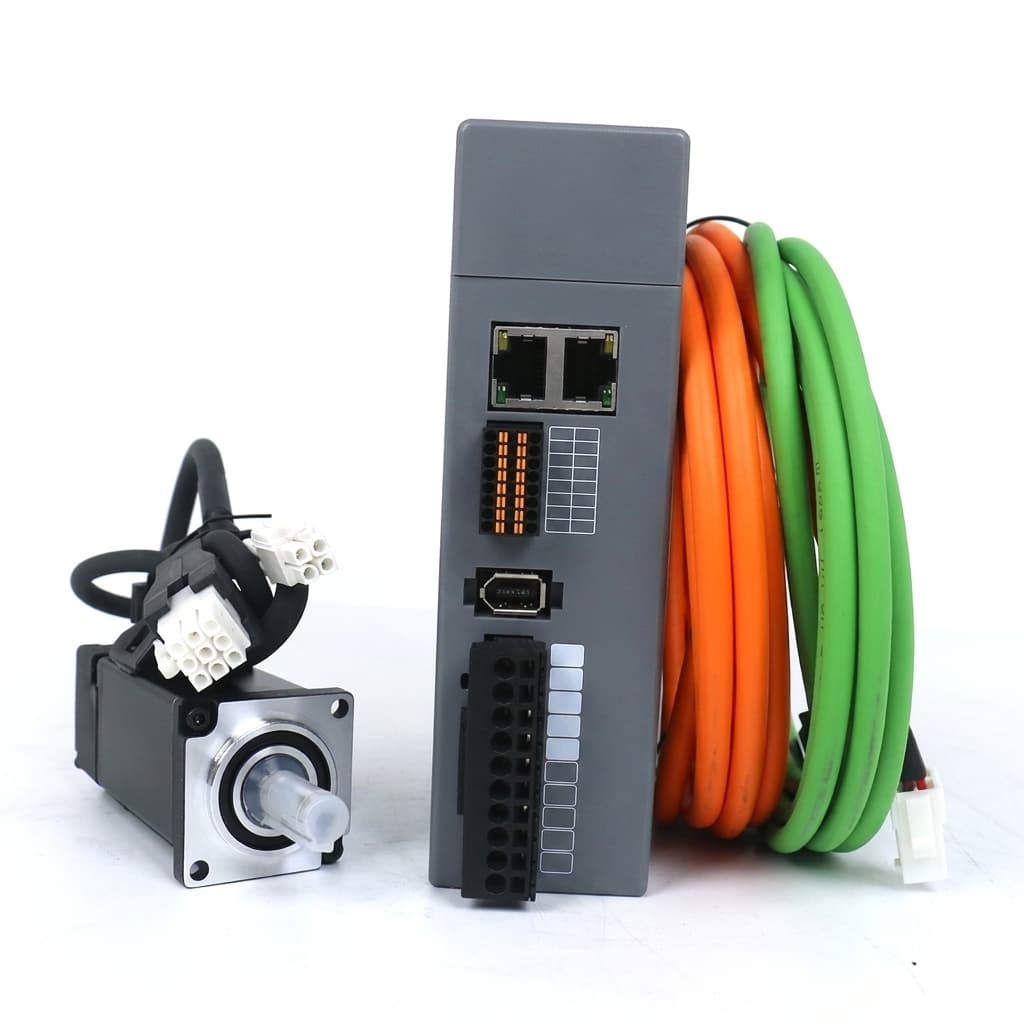
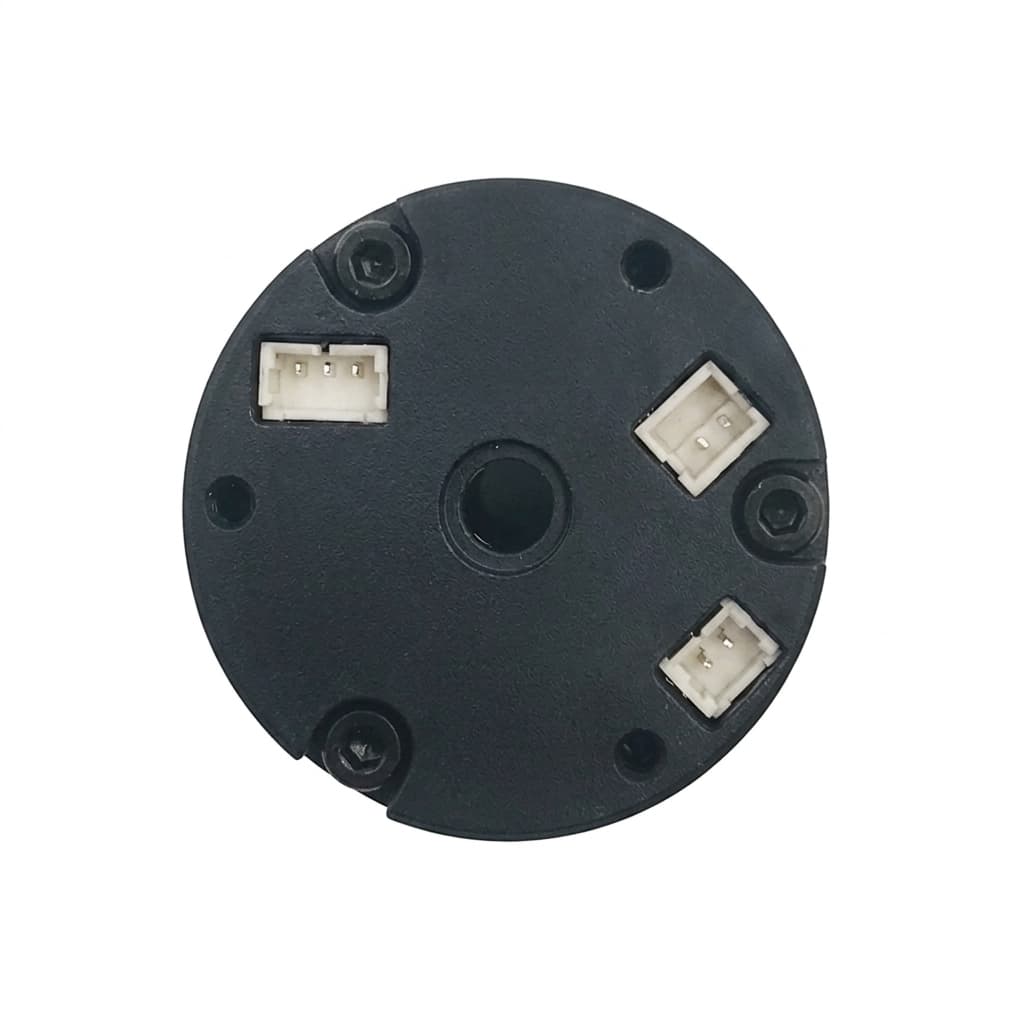
Low-voltage custom servo drive boards, micro servo amplifiers, multi-axis control PCBA, and robot-joint embedded drives for BLDC, PMSM, and frameless servo motors.
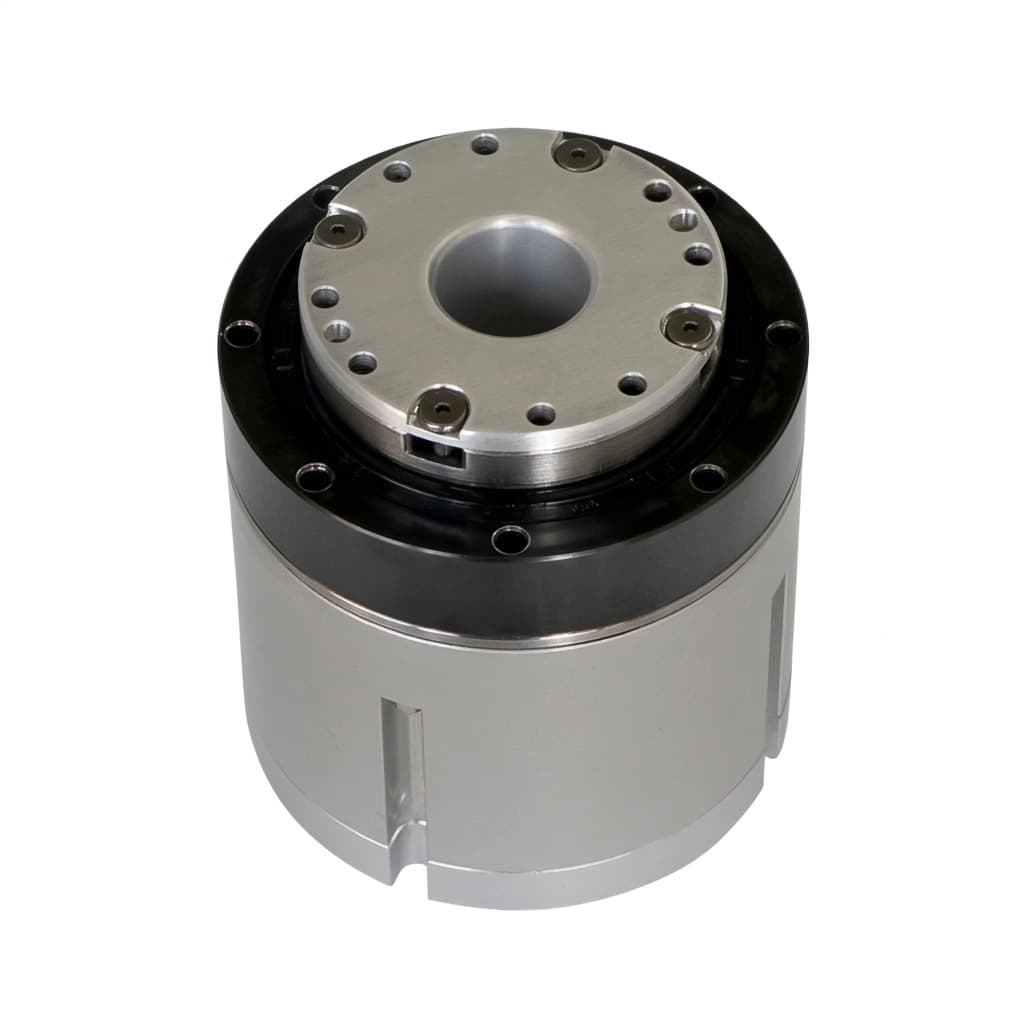
Integrated robot servos and smart servo modules combining motor, drive, encoder, gearbox, housing, cabling, and firmware into compact plug-in motion units.
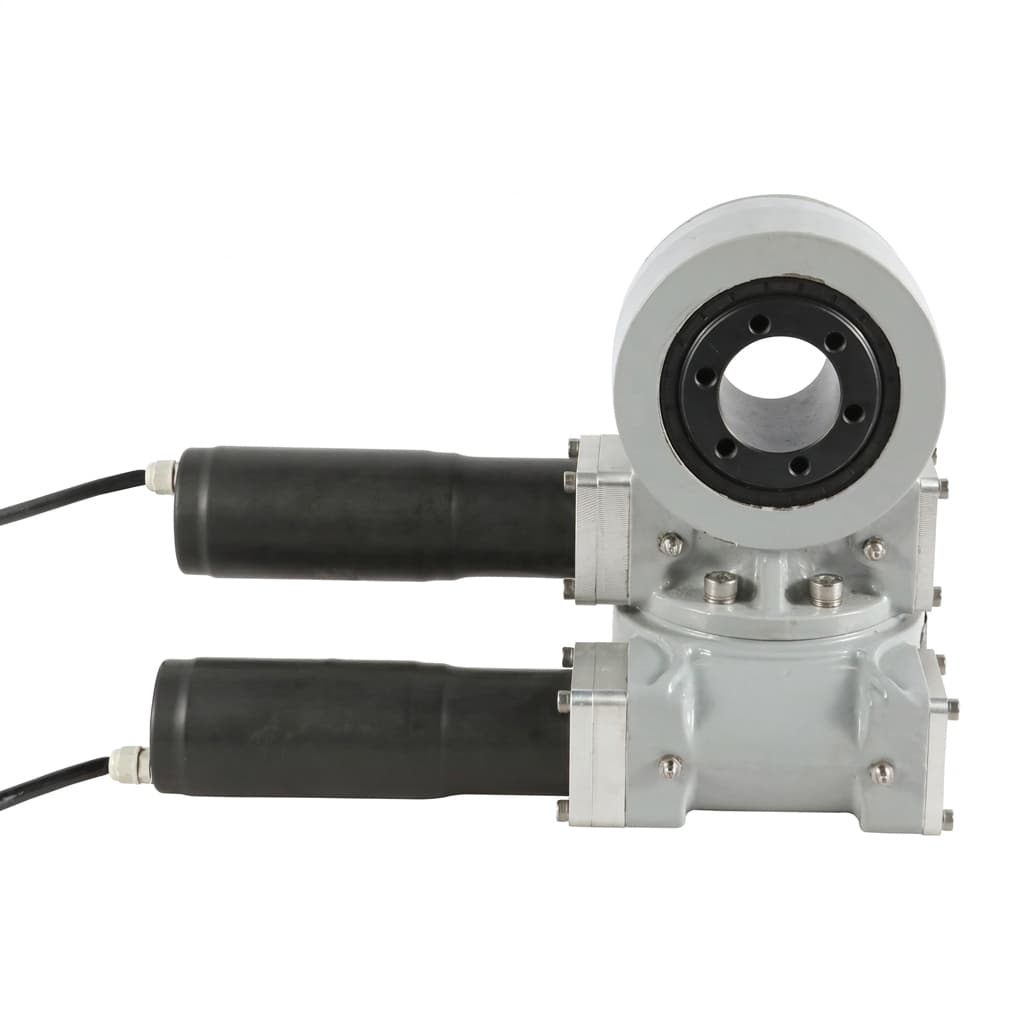
Custom robotic joint servo actuators for humanoid, collaborative, inspection, and special-purpose robots that need compact torque density and controlled integration risk.
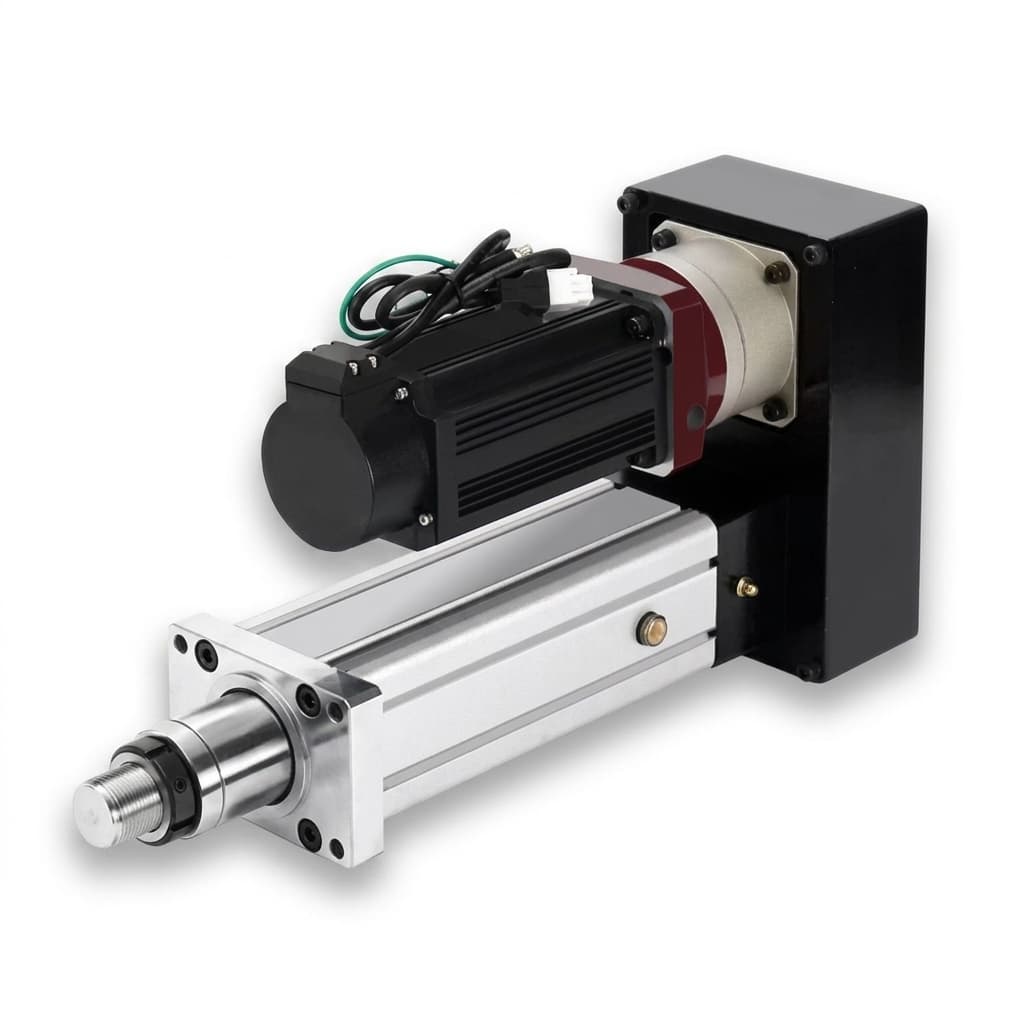
Custom linear joint servo actuator programs combining servo motor, screw transmission, guide interface, sensor feedback, brake, housing, and drive matching for robot axes that push, lift, clamp, or extend.
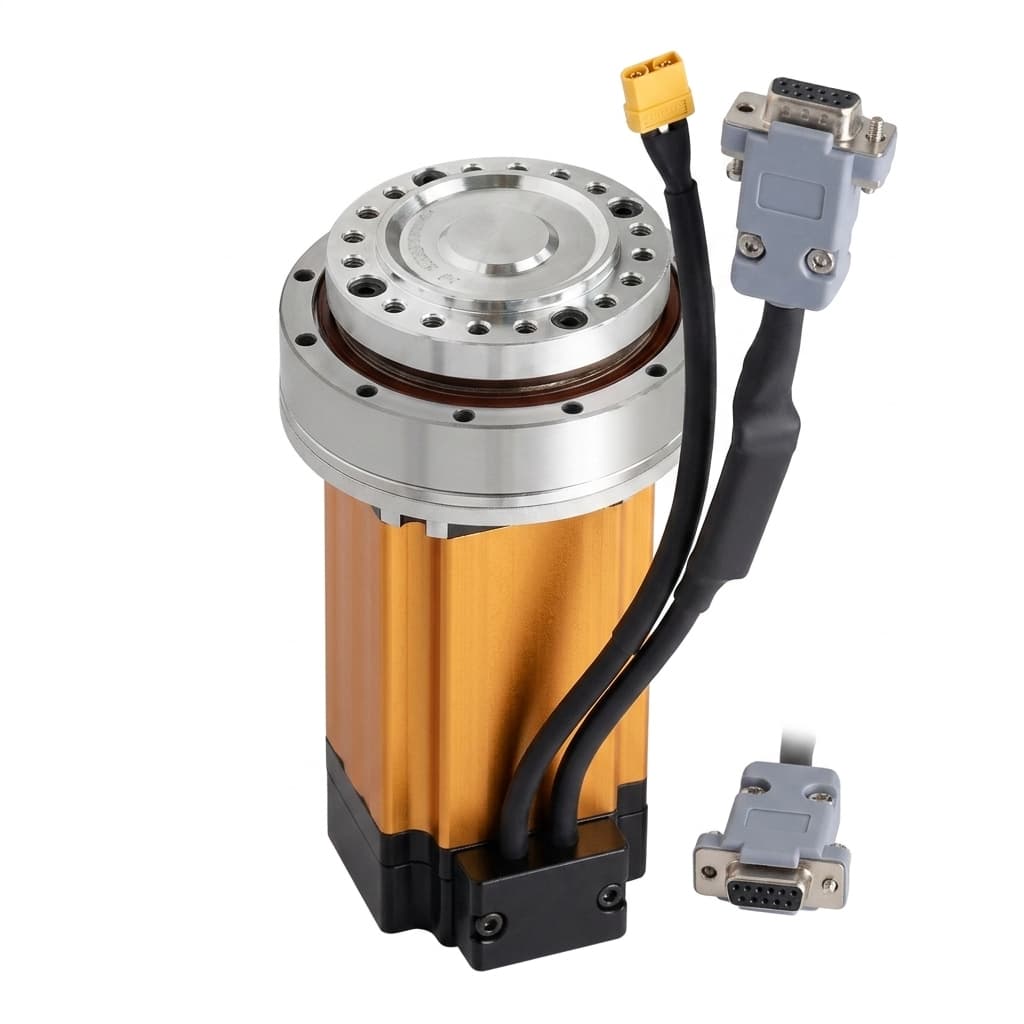
OEM smart servo modules with embedded control, feedback, gearbox, firmware commands, and application-specific housing for robot developers and equipment builders.
Start from the robot architecture when the servo scope is still open. These paths connect humanoid joints, grippers, mobile robots, and medical platforms to motion, thermal, and validation decisions.
Evaluate miniature CANopen servo drive architectures for collaborative robot wrists with tool payload inertia calculations, phase/DC current and illustrative thermal screening, CiA 402 bus timing, and holding brake safety boundaries.
Screen CANopen servo drive requirements for collaborative robot joints with a current and bus-load evaluator, thermal assumptions, CiA 402 integration guidance and explicit safety evidence boundaries.
Custom servo systems for humanoid robot joints, hands, necks, and torso modules where torque density, compact electronics, and thermal control define success.
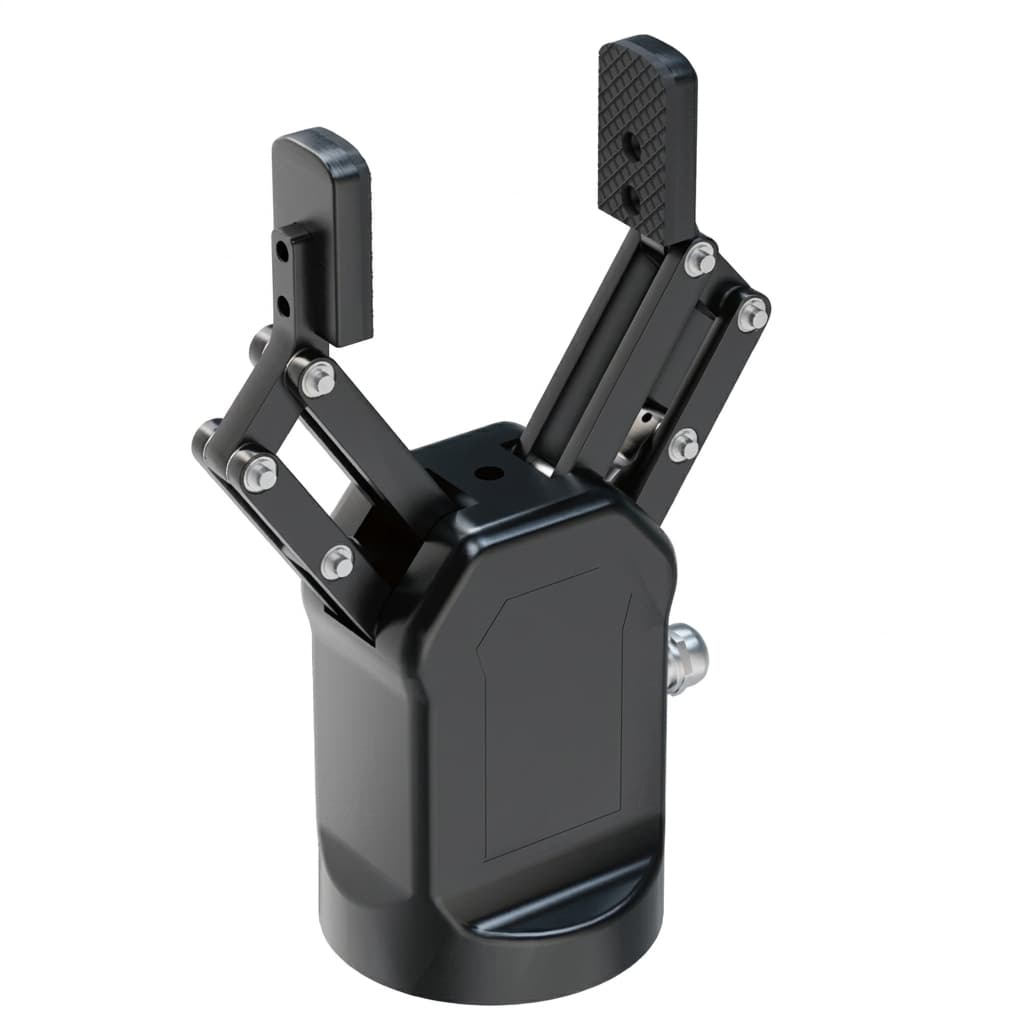
Compact custom servo motors, micro drives, smart servos, and actuator assemblies for grippers, end effectors, and dexterous hand mechanisms.
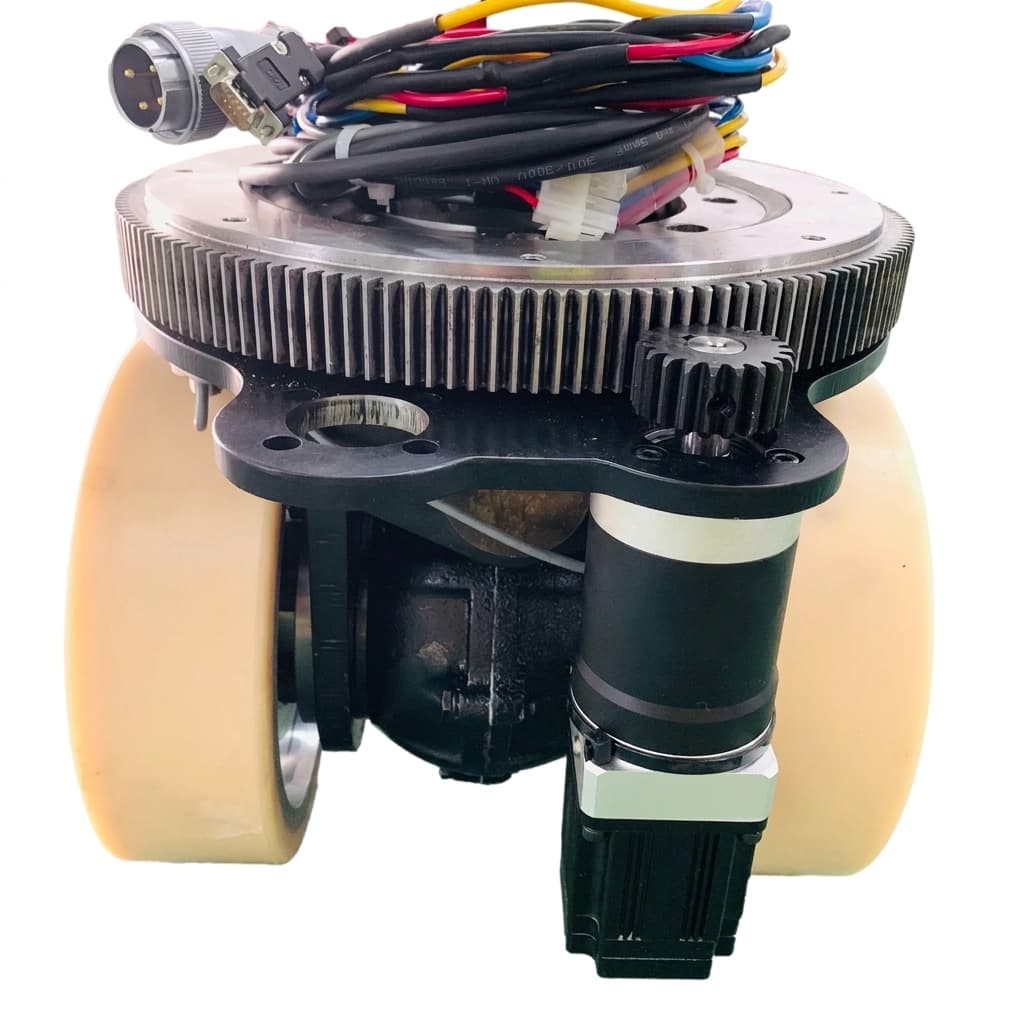
Custom servo motors, drives, and integrated actuation modules for AGV, AMR, inspection, delivery, and field robot platforms.
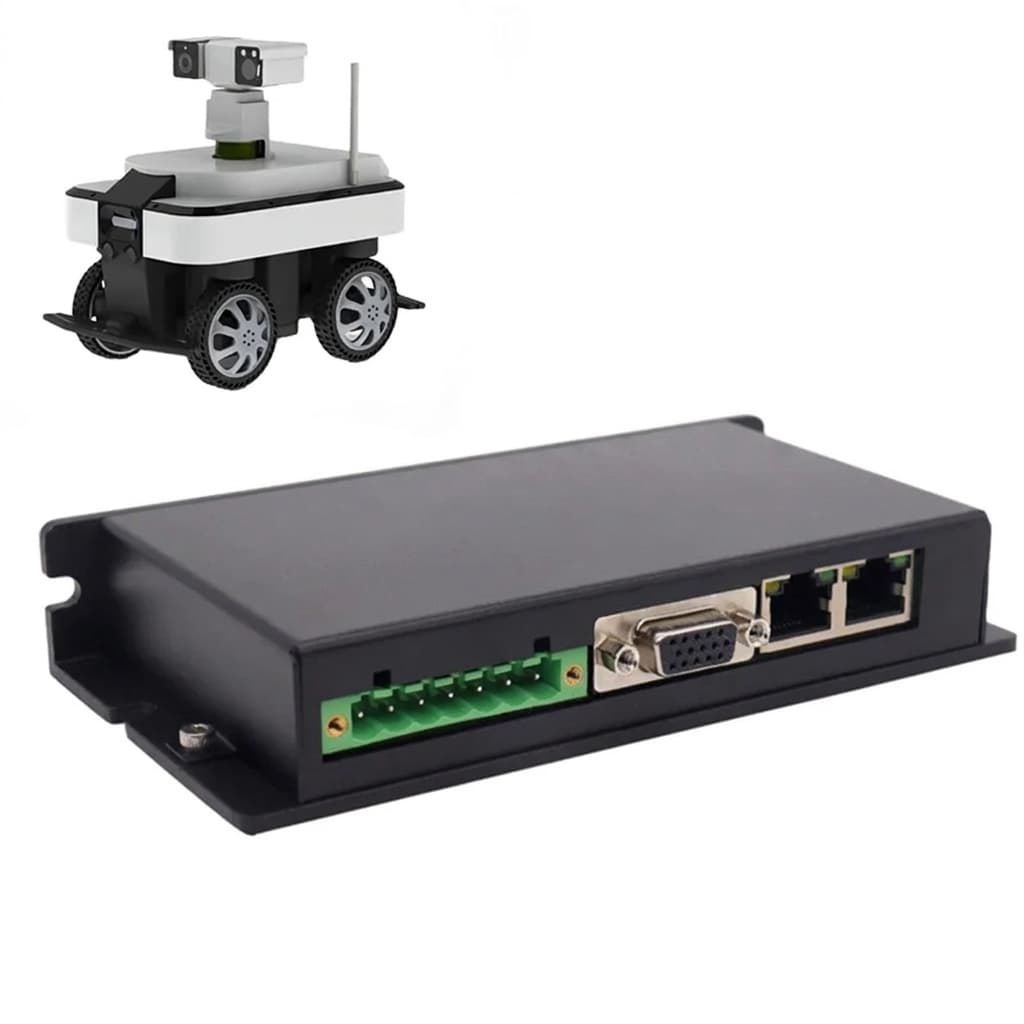
Custom compact servo motors, servo drives, and integrated modules for medical robot prototypes, surgical tool positioning, lab automation, and controlled motion systems.
Decision Snapshot
Clarify product scope, interface changes, validation checkpoints, and the next sample step before locking drawings or supplier choices.
Product paths to compare
Sample to pilot route
Engineering scope check
A clear procurement path reduces rework: define the axis, agree on the engineering proposal, validate samples, then lock the pilot and production controls.
Share drawings, target axis, torque-speed points, duty cycle, voltage, protocol, envelope, and sample quantity so engineering can identify missing constraints.
Review motor-drive matching, encoder and reducer selection, thermal path, connector layout, firmware behavior, and the validation plan before sample build.
Sample units can be checked for torque, speed, current, temperature rise, backlash, encoder zero, communication stability, and burn-in criteria.
Confirm pilot lot feedback, production fixtures, outgoing inspection, packaging, delivery country, and batch schedule before locking the ramp plan.
When package size, heat, protocol, or payload constraints are fixed by the robot, define the change at the motor, drive, mechanical, and firmware level before sample tooling.
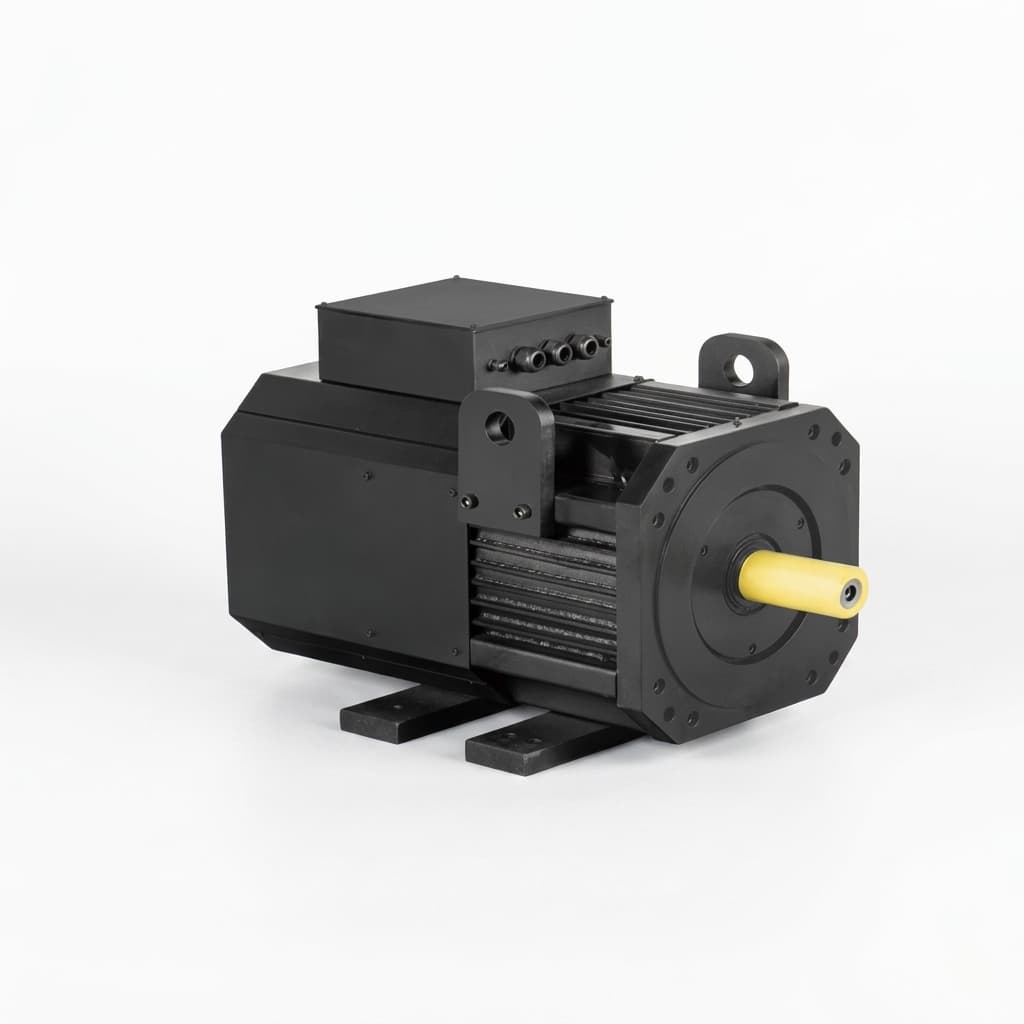
Stator winding changes to shift the torque-speed curve, lamination and magnet choices for continuous duty, and shaft or hollow-bore geometry aligned to cable routing.
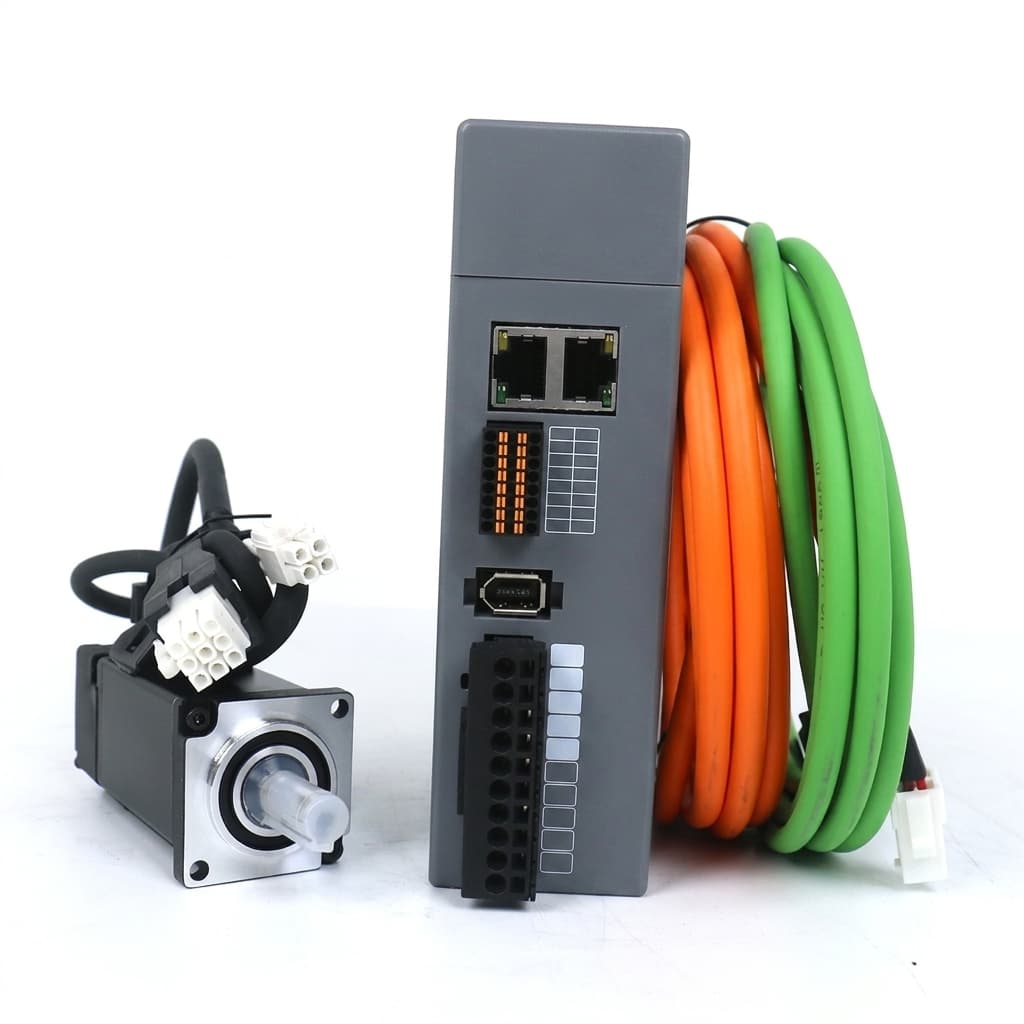
PCBA outline adaptation for joint housings, encoder and power stage matching, protocol behavior, homing logic, filtering, and fault-response requirements.
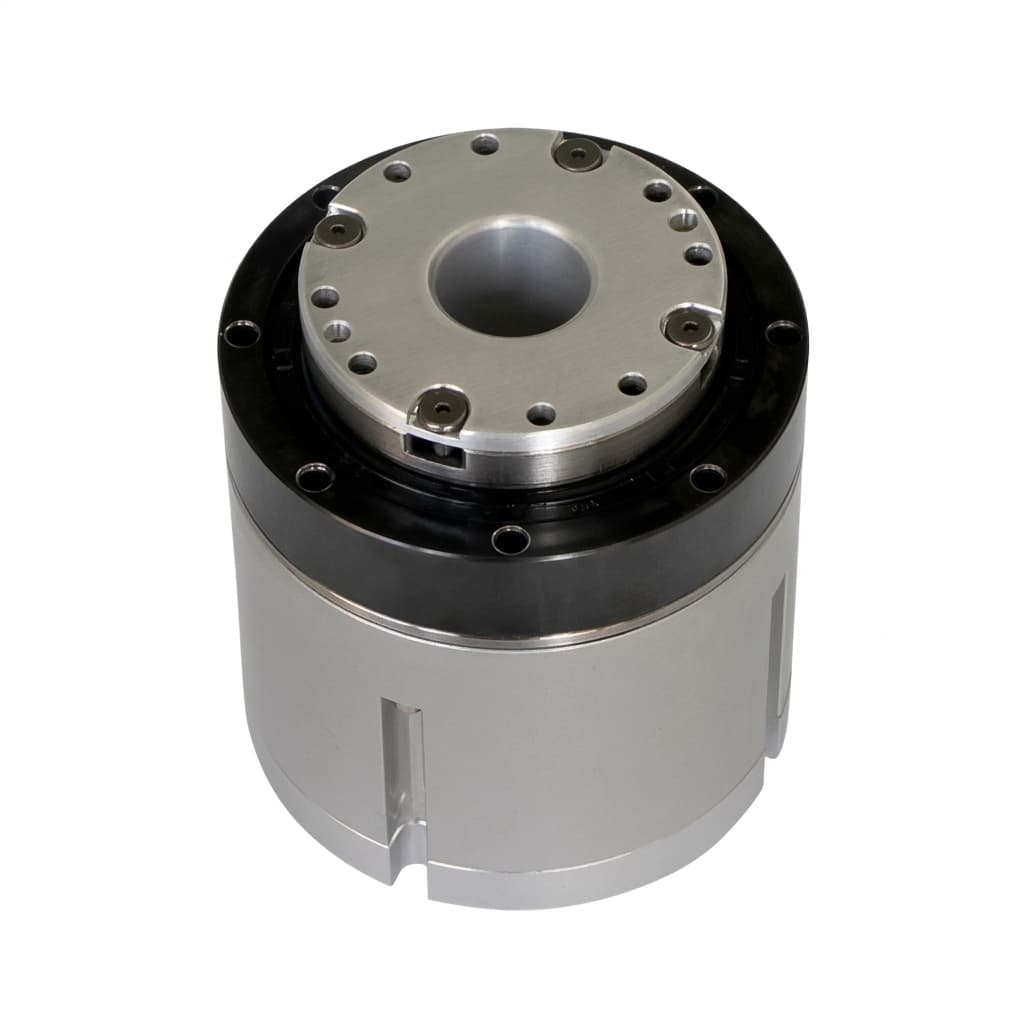
Housing, flange, bearing stack, sealing, cable exit, connector placement, and coating choices matched to the robot envelope and operating environment.
Early engineering review should turn incomplete drawings into a practical sample plan, validation checklist, and production-ready supplier conversation.
Match winding, bus voltage, phase current, encoder feedback, and drive firmware before the sample is built.
Review continuous torque, peak load, duty cycle, heat path, housing material, potting, and current limit together.
Align protocol, connector, harness, firmware assumptions, encoder zero, and mechanical datum references early.
Define torque, speed, current, temperature, backlash, communication, burn-in, packaging, and outgoing inspection criteria for pilot lots.
A complete inquiry lets engineering choose the right product path, identify risky assumptions, and confirm whether a sample or pilot lot is the next practical step.
Motor only, drive board, smart servo, integrated actuator, or complete joint module.
Continuous and peak torque, speed, duty cycle, payload, inertia, and axis orientation.
Voltage, current limit, encoder type, protocol, firmware behavior, and fault handling.
Outer diameter, length, flange, shaft or hollow bore, cable exit, sealing, and drawings.
Sample quantity, pilot lot target, production forecast, delivery country, and schedule.
Practical buyer-side checklists, decision frameworks, and technical notes for robot servo sourcing and validation.
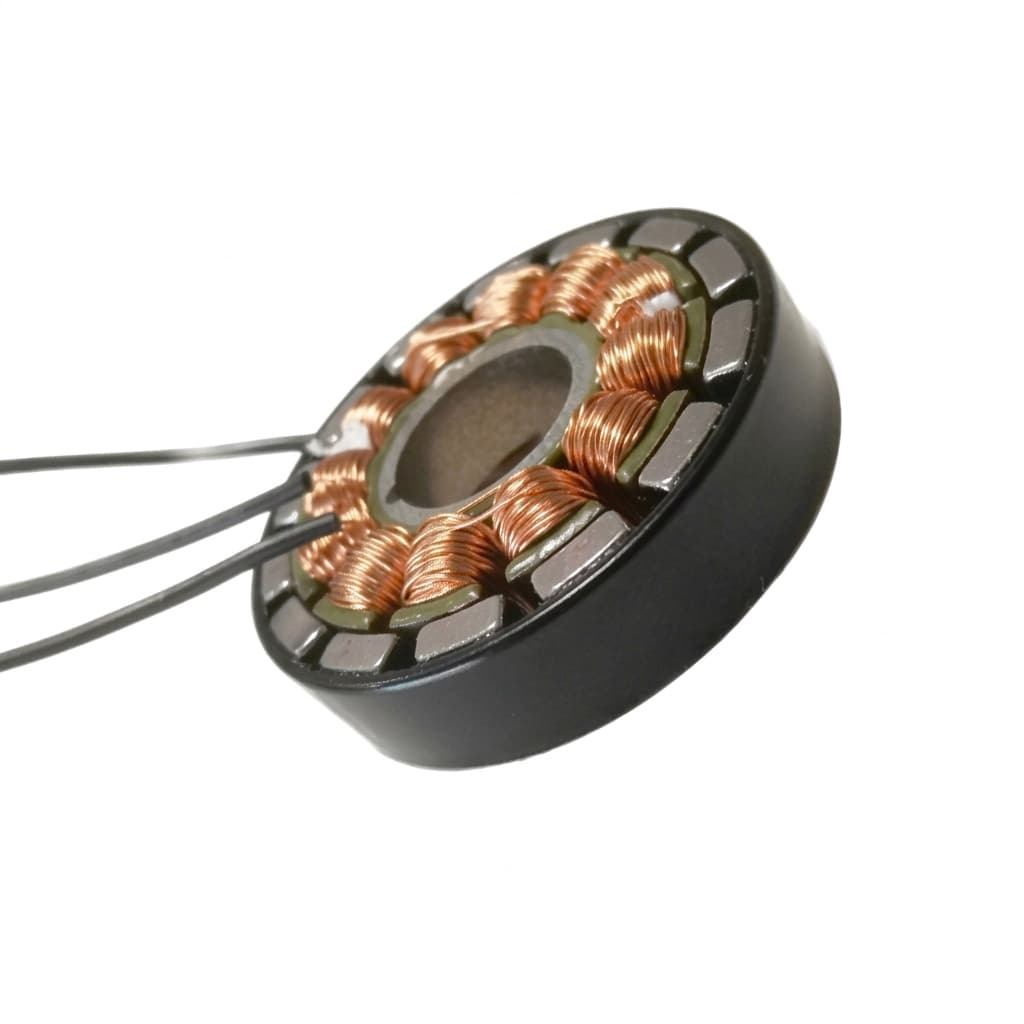
An engineering comparison between Brushless DC (BLDC) and Permanent Magnet Synchronous Motors (PMSM) for high-performance robotics actuation.

Analyzing the real-world latency, synchronization, and cost trade-offs of EtherCAT versus CANopen in custom multi-axis servo drives.
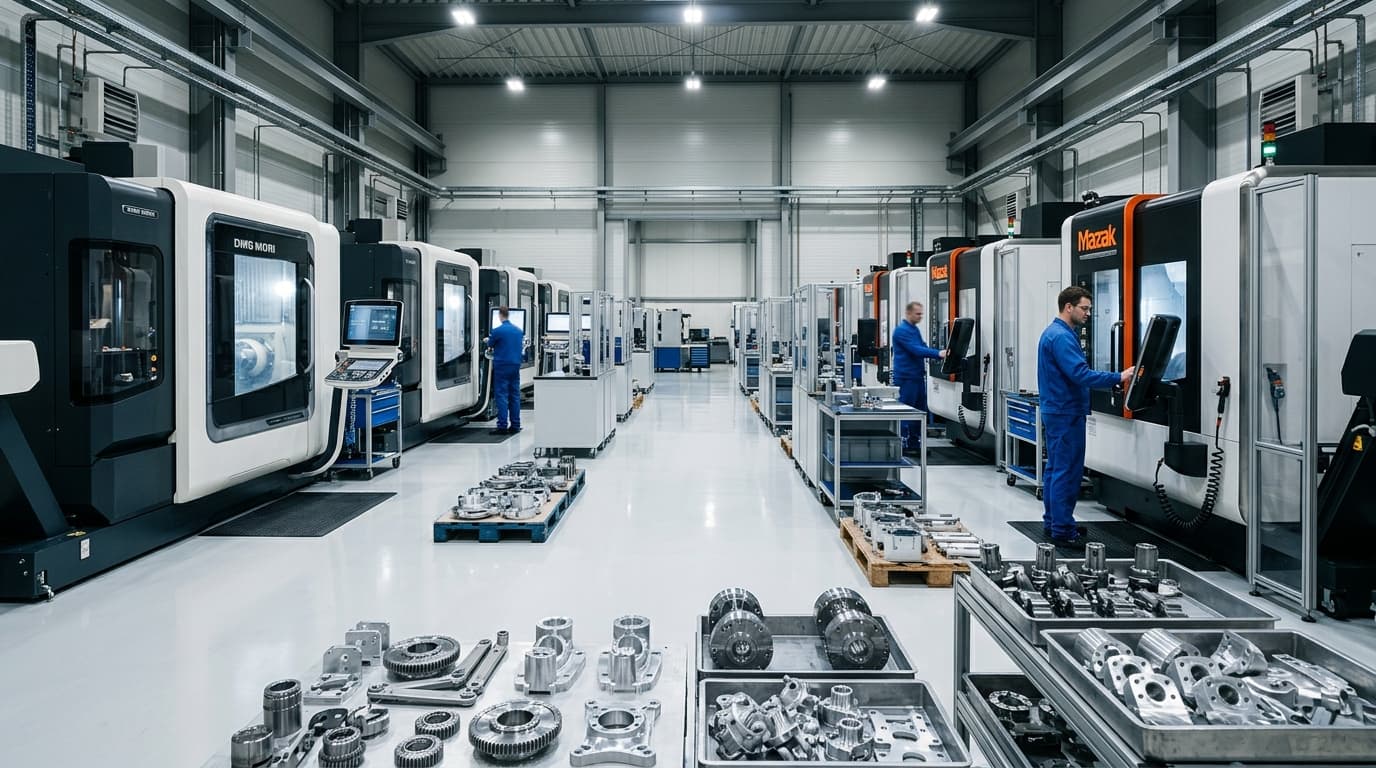
A transparent breakdown of tooling, NRE, PCBA, and supply chain costs when scaling custom robotic joints from prototype to mass production.
FAQ
Share drawings, torque-speed targets, duty cycle, voltage, protocol, envelope limits, sample quantity, forecast, and delivery country so engineering can review the practical path.
Inquiry Email
Include drawings, torque/speed, protocol, and prototype quantity.