LogoCustom Robot Servo
Start inquiry
LogoCustom Robot Servo
WhatsApp
LogoCustom Robot Servo

China-based custom robot servo OEM supplier for motors, drives, smart servos, actuators, and global delivery.

Inquiry Email

[email protected]

Email app

Include drawings, torque/speed, protocol, and prototype quantity.

Instant Chat

+8618857971991

Chat on WhatsApp

Direct response from our engineering team.

Products
  • Custom Robot Servo
  • Custom Servo Motors
  • Harsh Environment Servo Motors
  • Custom Servo Drives
  • Integrated Robot Servos
  • Robotic Joint Servo Actuators
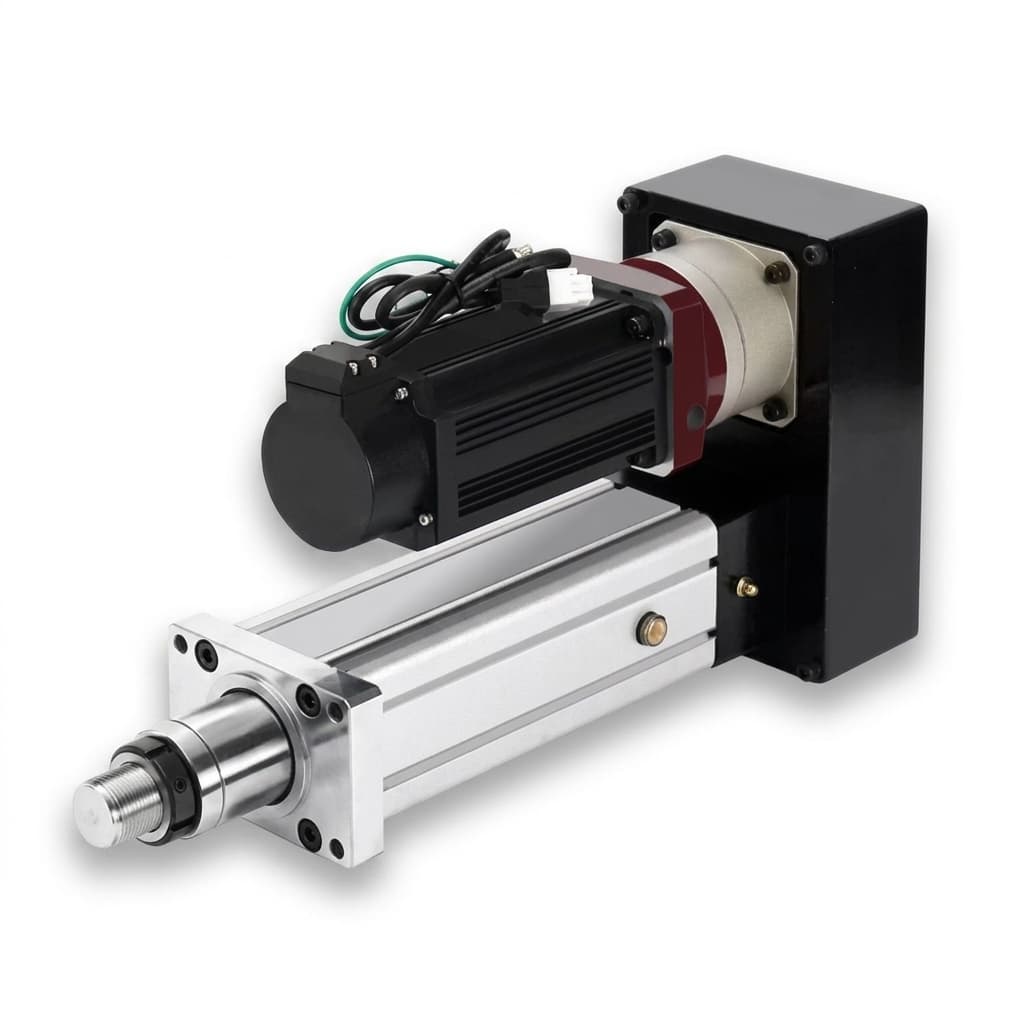
  • Linear Joint Servo Actuators
  • Smart Servo OEM
Solutions
  • Humanoid Servo Systems
  • Gripper Servo Integration
  • Mobile Robot Servo Platforms
  • Medical Robot Servo Modules
OEM Capabilities
  • 12-Gate Execution Model
  • Drawing to Production
  • Motor Drive Matching
  • Servo PCBA and SMT
  • Assembly and Test
  • RFQ Review
Resources
  • Blog
  • Engineering Hub
  • Engineering Lab
  • About
  • Contact / RFQ
  • Privacy Policy
  • Cookie Policy
  • Terms of Service
© 2026 Custom Robot Servo. All Rights Reserved.|Custom Robot Servo is operated by Linkup Ai Co., Ltd.|Manufacturing coordination through the Linkup Precision advanced manufacturing network.
  1. Home
  2. Products
  3. Robotic Joint Servo Actuators

Robotic Joint Servo Actuators

Custom robotic joint servo actuators for humanoid, collaborative, inspection, and special-purpose robots that need compact torque density and controlled integration risk.

Target Buyer:For hardware teams building joint modules where standard servos are too bulky, too weak, or too hard to integrate.
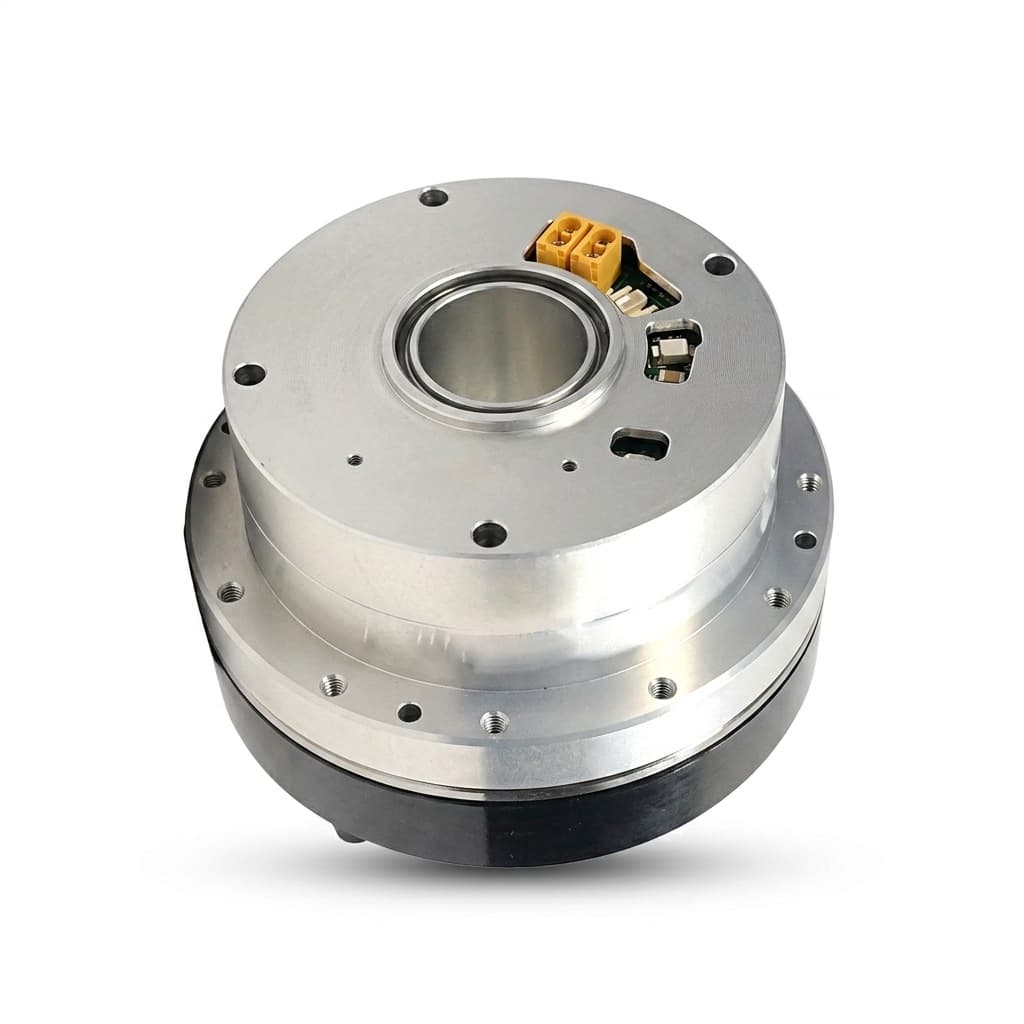
Robotic joint servo actuator assembly

Capability Highlights

  • Hollow-shaft, frameless, dual-encoder, brake-ready, and compact joint layouts
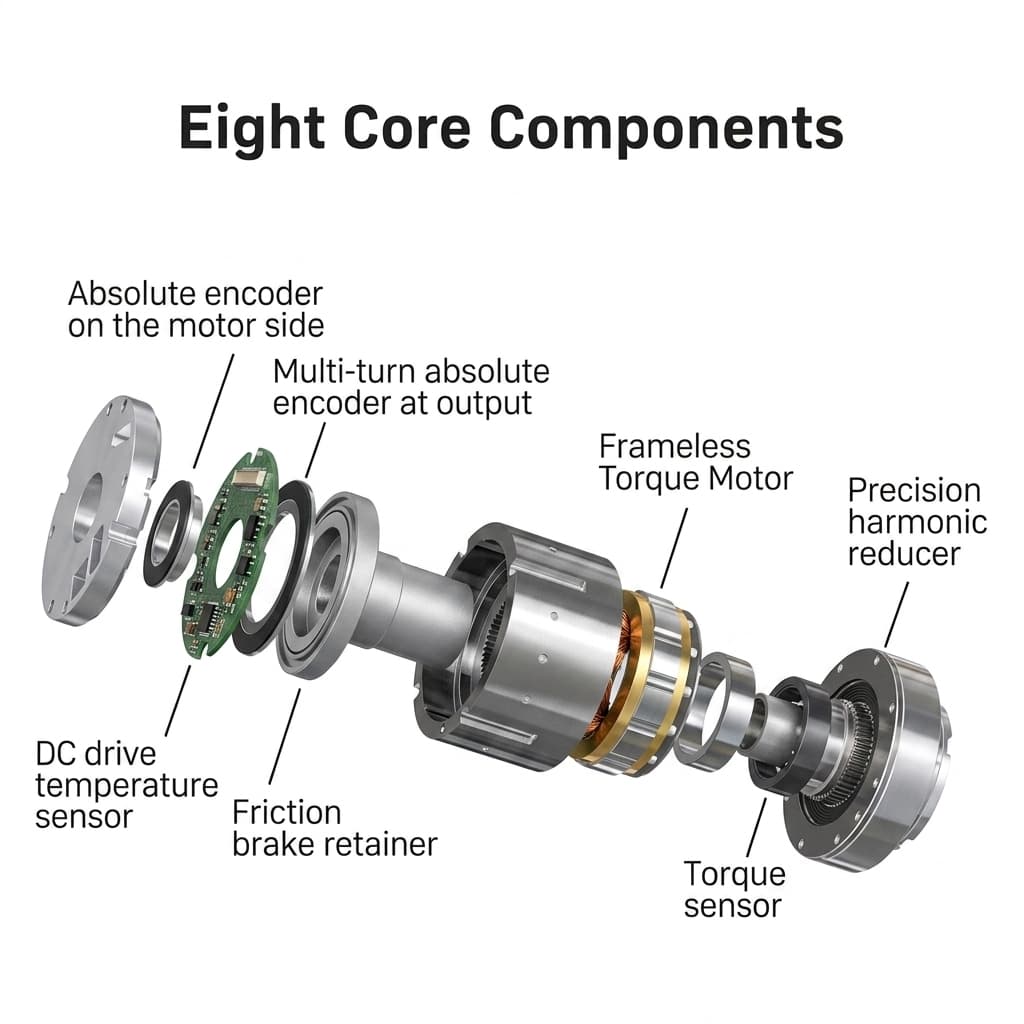
  • Integration of motor, reducer, encoder, brake, bearing, housing, drive, and harness
  • Support for torque-density tradeoffs, backlash target, shock load, and thermal path decisions

Typical Applications

  • Humanoid hip, knee, ankle, shoulder, elbow, and wrist joints
  • Cobots and lightweight industrial robot axes
  • Robotic neck, torso, and camera gimbal joints
  • Inspection robots and harsh-environment manipulators

Engineering Focus

  • Joint architecture: quasi-direct drive, geared servo, harmonic, cycloidal, planetary, or custom reducer path
  • Dual encoder placement, output stiffness, bearing support, sealing, and service access
  • Thermal modeling, test-cycle definition, assembly repeatability, and outgoing inspection records

Key Evaluation Matrix

MetricTypical RangeWhy It Matters
EnvelopeBuyer-defined OD, length, bore, and flangeJoint packaging is often the hardest constraint in humanoid and collaborative robots.
Torque densityDefined by payload and duty cycleTorque density decides whether the robot can move with acceptable weight and thermal load.
Backlash and complianceProject-specific angular targetPosition control, force control, and gait stability depend on joint output behavior.

Selection Logic

SituationRecommended PathEvidence to Confirm
The joint requires high torque density inside a tight robot linkReview the actuator as one package: frameless motor, reducer, dual encoder, bearing, housing, drive, and harnessMass budget, envelope, output stiffness, torque-speed profile, thermal path, encoder resolution, and cable route
Cable routing must pass through the rotating axisUse hollow-shaft geometry and freeze harness bend radius before rotor, encoder, and reducer interfaces are lockedRequired bore, service loop, connector exit, shield termination, strain relief, and assembly access
The robot will experience falls, collision, or repeated impactAdd shock, fatigue, backlash drift, fastener retention, and bearing-life criteria to the actuator RFQImpact load case, duty cycle, reducer type, preload plan, torque-check records, and pilot burn-in data

RFQ Checklist

  1. Joint role, payload, torque profile, speed, duty cycle, and shock load
  2. Maximum OD, axial length, hollow bore, mounting pattern, and cable path
  3. Backlash, encoder resolution, brake requirement, and control protocol
  4. Sample target, pilot quantity, production forecast, and acceptance tests
Risk Controls

  • Reducer, motor, and drive are selected independently: Review the joint as one system, including reflected inertia, current limit, thermal path, encoder resolution, and control loop.
  • Prototype looks strong but fails shock or fatigue testing: Define shock load, bearing life, gear fatigue, fastener retention, and burn-in checks before pilot build.

Quote Basis and Commercial Availability

Price Basis

Quoted after drawings, torque-speed targets, electronics scope, validation requirements, and annual volume assumptions are reviewed.

Validity Window

Quote validity, lead time, and sample schedule are confirmed on each proposal after material availability and capacity checks.

Purchasing Route

Start with an RFQ package; commercial terms follow engineering review, prototype scope, pilot-lot gates, and production readiness evidence.

Validation and QC Flow

CheckpointMethodPass Evidence
Joint architecture reviewCheck torque density, reflected inertia, reducer choice, bearing support, thermal path, brake, and encoder placementArchitecture review record with accepted tradeoffs and open risk items
Shock and backlash validationTest backlash, lost motion, reverse load, fastener retention, bearing condition, and post-cycle driftBacklash curve, shock-load notes, retorque status, and post-test inspection data
Robot-side integration readinessVerify cable routing, connector retention, firmware behavior, communication faults, and mounting repeatabilityIntegration checklist and serialized EOL report for each actuator sample

Supplier Evidence

Engineering Evidence Pack for Robotic Joint Servo Actuators

For product selection pages, the first engineering review should turn the RFQ into testable assumptions, not just a price request.

Scope baseline

Motor, drive, actuator, firmware, harness, fixture, and test responsibility are separated before quotation.

Missing-input list

Open items such as torque-speed data, duty cycle, envelope, protocol, encoder, and target launch country are flagged early.

Sample validation plan

Prototype checks are tied to load profile, thermal rise, backlash, noise, current limit, and end-of-line pass criteria.

Quote assumptions

Tooling, fixture, pilot lot, annual forecast, packaging, documentation, and delivery assumptions are made explicit.

Evidence GroupWhat to AttachBuyer Value
Motion and thermalTorque-speed target, current limit, duty cycle, temperature path, and derating assumption.Separates continuous-duty capability from peak torque claims before sample approval.
Interface controlSTEP or drawing revision, flange, bore, cable exit, connector, encoder, and protocol map.Keeps motor, drive, harness, and firmware assumptions aligned before tooling.
Validation recordEVT, DVT, PVT gate criteria, EOL checklist, burn-in profile, and serial or lot traceability.Gives engineering and procurement a common pass/fail basis for pilot lots.
Commercial pathPrototype quantity, pilot build target, annual forecast, delivery country, and packing notes.Improves quote precision and avoids late shipping or documentation surprises.

Download RFQ and Validation Templates

Use these templates before sending a Robotic Joint Servo Actuators inquiry so torque-speed data, drawings, thermal assumptions, and sample acceptance evidence arrive in one package.

CSV

Servo RFQ Baseline Checklist

A field-by-field checklist for torque-speed-duty targets, drawings, protocol, sample quantity, acceptance tests, and open decisions.

Use before the first supplier email so engineering, sourcing, and procurement are aligned on required inputs.

CSV

CSV

Servo Validation Plan Template

A starting validation matrix for torque, current, heat rise, backlash, encoder zero, communication, burn-in, and outgoing inspection.

Use when samples are being scoped and the buyer needs pass/fail evidence before pilot approval.

CSV

CSV

Thermal Derating Worksheet

A compact worksheet for comparing ambient, housing, winding, duty cycle, current limit, and sealed-joint thermal margin.

Use when peak torque looks acceptable but continuous-duty heat rise is still the main project risk.

CSV

Product Gallery

High torque servo actuator
Servo actuator internal components
Servo actuator final validation

Buyer FAQ

Can you support a custom humanoid joint design?

Yes. We can review drawings and help source or coordinate the motor, reducer, encoder, housing, drive, and assembly process.

Can you build around an existing reducer or motor?

Yes. Send the interface drawings and electrical parameters so the rest of the servo actuator can be matched around it.

Related Resources

  • Humanoid Servo Systems
  • Linear Joint Servo Actuators
  • Assembly and Test
  • Backlash and Reducer Selection
  • Contact / RFQ

Inquiry Email

[email protected]

Email app

Include drawings, torque/speed, protocol, and prototype quantity.

Instant Chat

+8618857971991

Chat on WhatsApp

Direct response from our engineering team.