LogoCustom Robot Servo
Start inquiry
LogoCustom Robot Servo
WhatsApp
LogoCustom Robot Servo

China-based custom robot servo OEM supplier for motors, drives, smart servos, actuators, and global delivery.

Inquiry Email

[email protected]

Email app

Include drawings, torque/speed, protocol, and prototype quantity.

Instant Chat

+8618857971991

Chat on WhatsApp

Direct response from our engineering team.

Products
  • Custom Robot Servo
  • Custom Servo Motors
  • Harsh Environment Servo Motors
  • Custom Servo Drives
  • Integrated Robot Servos
  • Robotic Joint Servo Actuators
  • Linear Joint Servo Actuators
  • Smart Servo OEM
Solutions
  • Humanoid Servo Systems
  • Gripper Servo Integration
  • Mobile Robot Servo Platforms
  • Medical Robot Servo Modules
OEM Capabilities
  • 12-Gate Execution Model
  • Drawing to Production
  • Motor Drive Matching
  • Servo PCBA and SMT
  • Assembly and Test
  • RFQ Review
Resources
  • Blog
  • Engineering Hub
  • Engineering Lab
  • About
  • Contact / RFQ
  • Privacy Policy
  • Cookie Policy
  • Terms of Service
© 2026 Custom Robot Servo. All Rights Reserved.|Custom Robot Servo is operated by Linkup Ai Co., Ltd.|Manufacturing coordination through the Linkup Precision advanced manufacturing network.
  1. Home
  2. Solutions
  3. Mobile Robot Servo Platforms

Mobile Robot Servo Platforms

Custom servo motors, drives, and integrated actuation modules for AGV, AMR, inspection, delivery, and field robot platforms.

Target Buyer:For mobile robot builders that need robust servo hardware under vibration, battery voltage variation, and repeated field duty.
Precision servo electronics for mobile robot platforms

Solution Highlights

  • Low-voltage battery-powered servo drive and motor matching
  • Steering, suspension, sensor mast, lift, and manipulator servo modules
  • Export-oriented sourcing support for prototype fleets and repeat production

Common Use Cases

  • AGV and AMR steering
  • Warehouse robot lifts
  • Inspection robot manipulators
  • Outdoor service robot mechanisms

Implementation Focus

  • Battery voltage range and regenerative braking behavior
  • Shock, vibration, sealing, cable retention, and serviceability
  • Control protocol and fleet maintainability

Application Evaluation Matrix

Evaluation MetricTypical RangeBuyer Relevance
Battery bus24 V, 36 V, 48 V, 60 V, or customMobile robot servo drives must tolerate voltage sag, current spikes, and regen events.
Regenerative brakingNo regen, controlled braking, dump load, or bus-sharing strategySteering, lift, and traction-related axes can push energy back into the bus and damage compact electronics.
Environmental dutyIndoor warehouse, outdoor service, inspection, or wash-down adjacentShock, vibration, dust, moisture, and service access change motor sealing, connector, and fixture decisions.

Application Selection Logic

SituationRecommended PathEvidence to Confirm
The robot uses a battery bus with voltage sag and regenSelect a low-voltage servo drive and braking strategy around the real battery range and braking eventsMinimum/nominal/maximum voltage, regen event, cable length, braking load, fuse/protection plan, and ambient target
The axis works outdoors, under vibration, or near wash-down zonesPrioritize sealing, connector retention, cable strain relief, shock testing, and service replacement planningIP target, vibration profile, connector type, harness route, mounting orientation, and field-service access
The buyer will operate a prototype fleetUse serialized firmware, replaceable modules, fixture records, and fleet failure feedback before scale-upPrototype fleet size, serial-number format, firmware version control, spare policy, and failure-report loop

RFQ Preparation Checklist

  1. Robot platform type, payload, operating environment, and duty cycle
  2. Voltage range, torque-speed target, protocol, and mechanical envelope
  3. Expected prototype fleet size and production schedule
  4. Battery sag, regenerative braking, cable length, vibration, and sealing expectations
Risk and Mitigation

  • Industrial servo hardware is too bulky for the vehicle: Review low-voltage embedded drive options and compact integrated servo modules early.
  • Voltage sag and regen are not represented in bench tests: Validate with realistic battery range, braking events, cable length, controller timing, and ambient temperature.

Application Validation Flow

CheckpointMethodPass Evidence
Battery and regen validationTest minimum/maximum voltage, braking events, current spikes, thermal rise, and protection responseBattery-bus test log with fault response, braking behavior, and heat data
Field-duty validationInspect sealing, vibration, cable retention, connector protection, dust/moisture exposure, and service accessEnvironmental checklist, mounting notes, connector approval, and post-test inspection
Fleet traceabilityTrack serial numbers, firmware versions, EOL data, replacement modules, and field feedback before scale-upFleet pilot report with serial data, failures, corrective actions, and release decision

Application Evidence

Engineering Evidence Pack for Mobile Robot Servo Platforms

For application pages, the first engineering review connects robot duty, control stack, and validation risk before architecture lock.

Scope baseline

Motor, drive, actuator, firmware, harness, fixture, and test responsibility are separated before quotation.

Missing-input list

Open items such as torque-speed data, duty cycle, envelope, protocol, encoder, and target launch country are flagged early.

Sample validation plan

Prototype checks are tied to load profile, thermal rise, backlash, noise, current limit, and end-of-line pass criteria.

Quote assumptions

Tooling, fixture, pilot lot, annual forecast, packaging, documentation, and delivery assumptions are made explicit.

Evidence GroupWhat to AttachBuyer Value
Motion and thermalTorque-speed target, current limit, duty cycle, temperature path, and derating assumption.Separates continuous-duty capability from peak torque claims before sample approval.
Interface controlSTEP or drawing revision, flange, bore, cable exit, connector, encoder, and protocol map.Keeps motor, drive, harness, and firmware assumptions aligned before tooling.
Validation recordEVT, DVT, PVT gate criteria, EOL checklist, burn-in profile, and serial or lot traceability.Gives engineering and procurement a common pass/fail basis for pilot lots.
Commercial pathPrototype quantity, pilot build target, annual forecast, delivery country, and packing notes.Improves quote precision and avoids late shipping or documentation surprises.

Recommended Products

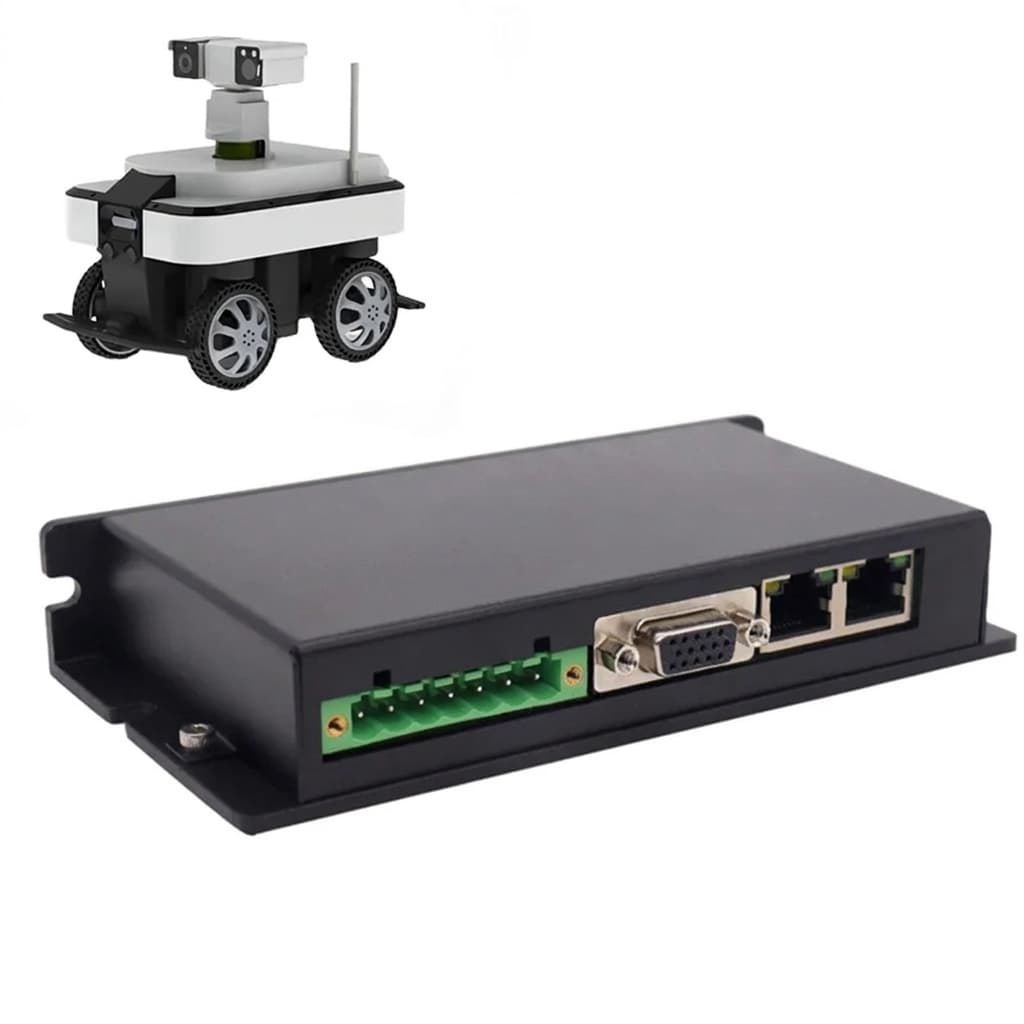
Flat servo motor for mobile platforms
Flat servo motor integration view
Flat servo motor driver setup

Buyer FAQ

Can you support 48 V robot servo systems?

Yes. Low-voltage servo motors, drives, and integrated actuator options can be reviewed around 48 V class battery systems.

Which mobile robot axes are a good fit?

Steering, lift, sensor mast, compact manipulator, inspection arm, and service mechanism axes are typical starting points.

Related Resources

  • Custom Servo Drives
  • Servo Motor Drive Matching
  • Custom Servo Motors
  • Harsh Environment Servo Motors
  • Contact / RFQ

Inquiry Email

[email protected]

Email app

Include drawings, torque/speed, protocol, and prototype quantity.

Instant Chat

+8618857971991

Chat on WhatsApp

Direct response from our engineering team.